PEARL ORIGINS
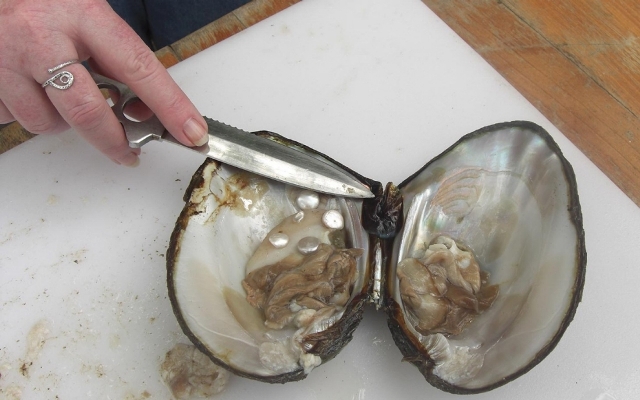
Pearls are formed within oysters and mollusks through a natural process influenced by environment, species, and time. Understanding where pearls come from—and how they are created—offers valuable insight into their beauty, quality, and value.
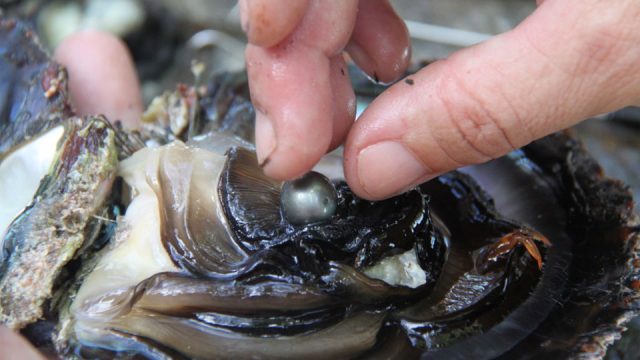
Pearls are formed inside mollusks such as oysters and mussels. They develop when the organism produces layers of nacre around an irritant, gradually creating a pearl over time.
Natural pearls form without human intervention when an irritant enters a mollusk. The organism secretes nacre to protect itself, and over time, these layers build into a pearl.
Natural pearls occur entirely by chance, while cultured pearls are formed through a controlled process where a technician introduces an irritant to initiate pearl formation. Both types develop through the same nacre-building process.
Pearls are cultivated in regions with suitable water conditions, including Japan, China, French Polynesia, and Australia. Different locations produce different types of pearls, such as Akoya, freshwater, Tahitian, and South Sea pearls.
The formation time varies depending on the type of pearl and the mollusk, but most cultured pearls take between several months and a few years to develop.
Not all oysters produce pearls, and even those that do may not create pearls of gem quality. Pearl formation depends on species, conditions, and chance.

Signup now and receive an email once I publish new content.

Content Writer and Editor at The PearlSource
Kate Muirhead is the editor and content writer for leading pearl retailer The Pearl Source. She believes in the power of signature jewelry, and that collecting it is half the fun.
 Best Jewelry Brands in 2026: How to Choose Where to Buy Pearls Online