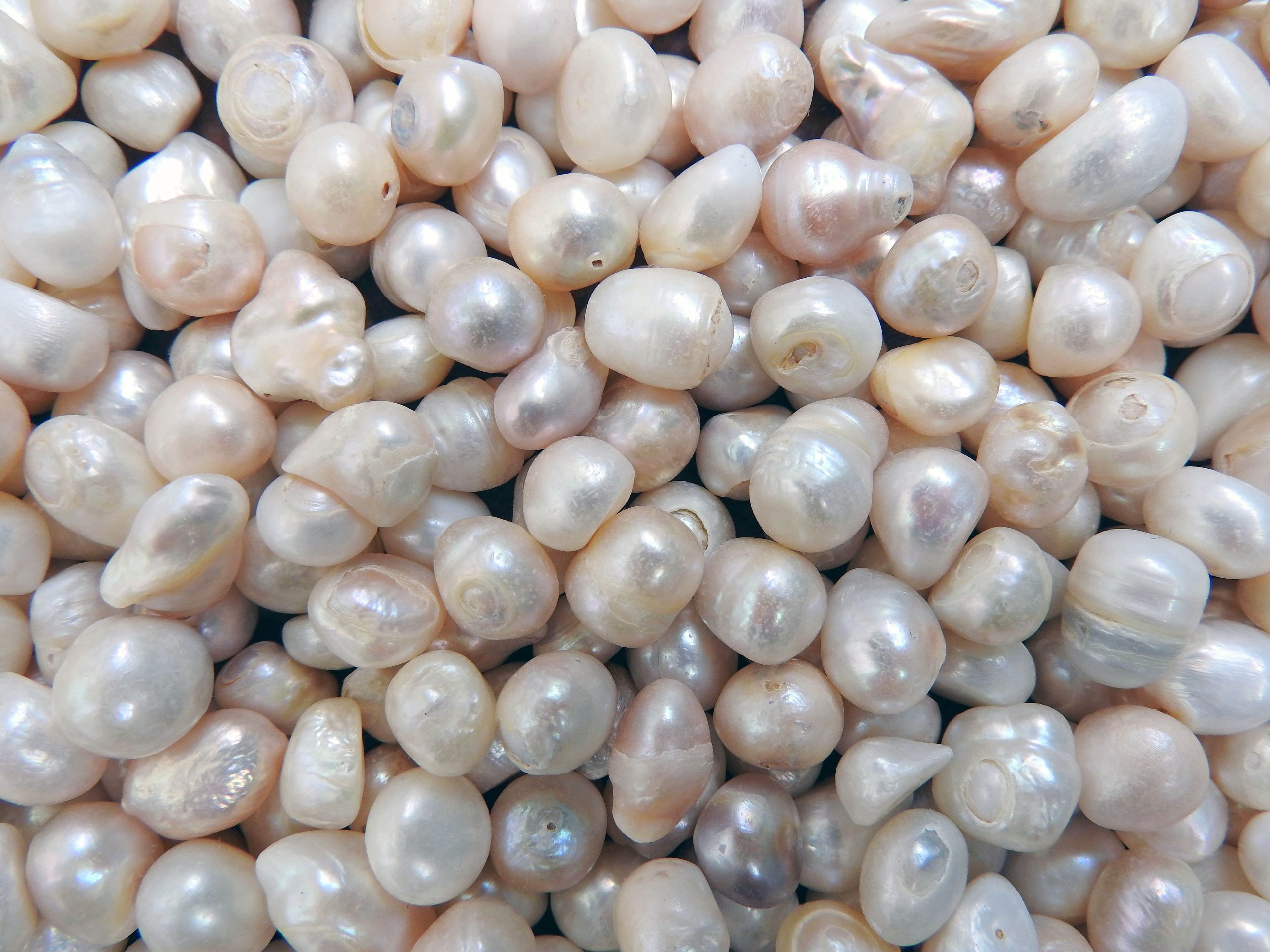
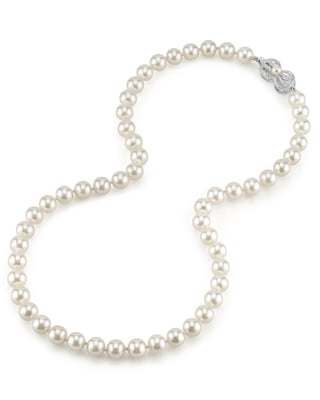
Freshwater and Akoya pearls differ in luster, shape, price, and overall appearance, and are suited to different types of jewelry and occasions. While both are widely used, they are not interchangeable in practice.
Understanding these differences makes it easier to choose the option that best aligns with how the jewelry will be worn.
This guide helps you compare freshwater and Akoya pearls to choose the best option based on style, budget, and intended use.
Use the sections below to compare key differences, apply decision rules, and determine which pearl type best suits your needs.
In practice, the choice between freshwater and Akoya pearls is usually determined by intended use. Freshwater pearls are typically selected for versatility and everyday wear, while Akoya pearls are more often chosen for formal jewelry where uniformity and luster are prioritized.
| Feature | Freshwater Pearls | Akoya Pearls |
|---|---|---|
| Origin | Freshwater lakes and rivers (primarily China) | Saltwater (primarily Japan and China) |
| Formation | Tissue-nucleated (solid nacre) | Bead-nucleated |
| Shape | Round to baroque, varied | Typically round and uniform |
| Luster | Soft, satin-like glow | Sharp, reflective luster |
| Size Range | Typically 6–12mm+ | Typically 6–9mm |
| Surface | More variation | Generally smoother |
| Price Range | More accessible | Higher price per strand |
| Typical Use | Everyday wear, versatile styling | Formal jewelry, classic strands, traditional gifts |
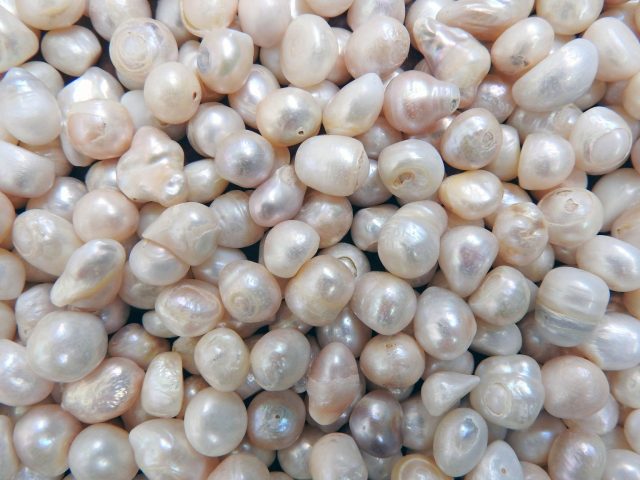
Choose Freshwater Pearls if:
Choose Akoya Pearls if:
Luster: Akoya pearls typically display sharper, more reflective luster, while freshwater pearls have a softer appearance.
Shape: Akoya pearls are more consistently round. Freshwater pearls offer greater variation.
Surface Quality: Akoya pearls generally have smoother, more consistent surfaces, while freshwater pearls may show more natural variation.
Size: Freshwater pearls are available in a broader size range, often reaching larger sizes than Akoya pearls.
Nacre Composition: Freshwater pearls are typically solid nacre, while Akoya pearls are bead-nucleated with a nacre coating.
Price: Freshwater pearls are generally more accessible, while Akoya pearls are priced higher for consistency and finish.
The most common mistake is assuming freshwater and Akoya pearls are interchangeable. In practice, they serve different purposes, and choosing based on use rather than appearance leads to better long-term satisfaction.
Before choosing, consider:
Once you’ve chosen between freshwater and Akoya pearls, use the guides below to further refine your selection based on quality, size, and style:
Written by:
Katie Muirhead
Content & Editorial
The Pearl Source
Reviewed by:
Lauren Greenberg
GIA-Certified Pearl Expert
The Pearl Source
Signup now and receive an email once I publish new content.

Content Writer and Editor at The PearlSource
Kate Muirhead is the editor and content writer for leading pearl retailer The Pearl Source. She believes in the power of signature jewelry, and that collecting it is half the fun.
 How to Clean Pearls: Essential Care for Pearl Jewelry