Pearl quality is determined by a combination of visual and structural factors, but these factors are not weighted equally in practice. Some characteristics have a significantly greater impact on appearance and value than others.
Understanding how experts prioritize these factors makes it easier to evaluate pearls and make more informed comparisons.
This guide explains the key factors used to evaluate pearl quality and how each characteristic affects appearance, durability, and overall value.
Use the sections below to understand how pearls are assessed, compare quality factors, and identify what to prioritize when selecting pearl jewelry.
Pearl quality is assessed by evaluating multiple factors together, with luster typically considered the most important. Surface quality, shape, and matching follow, while size and color influence value depending on context. In practice, no single factor determines quality, but stronger luster and cleaner surfaces are usually prioritized over other characteristics.
| Factor | What It Affects | Higher Quality Characteristics | Lower Quality Characteristics |
|---|---|---|---|
| Luster | Brightness and reflectivity | Sharp, mirror-like reflections | Dull or chalky appearance |
| Nacre Thickness | Durability and depth | Thick, even nacre | Thin or uneven nacre |
| Shape | Symmetry and uniformity | Round or symmetrical | Irregular or uneven |
| Size | Presence and rarity | Larger, well-proportioned | Smaller or inconsistent sizing |
| Color | Tone and overtone complexity | Even color with depth and overtone | Flat or uneven color |
| Surface | Cleanliness and texture | Minimal blemishes | Visible spots or imperfections |
| Matching | Consistency across pieces | Uniform size, shape, color, luster | Noticeable variation |
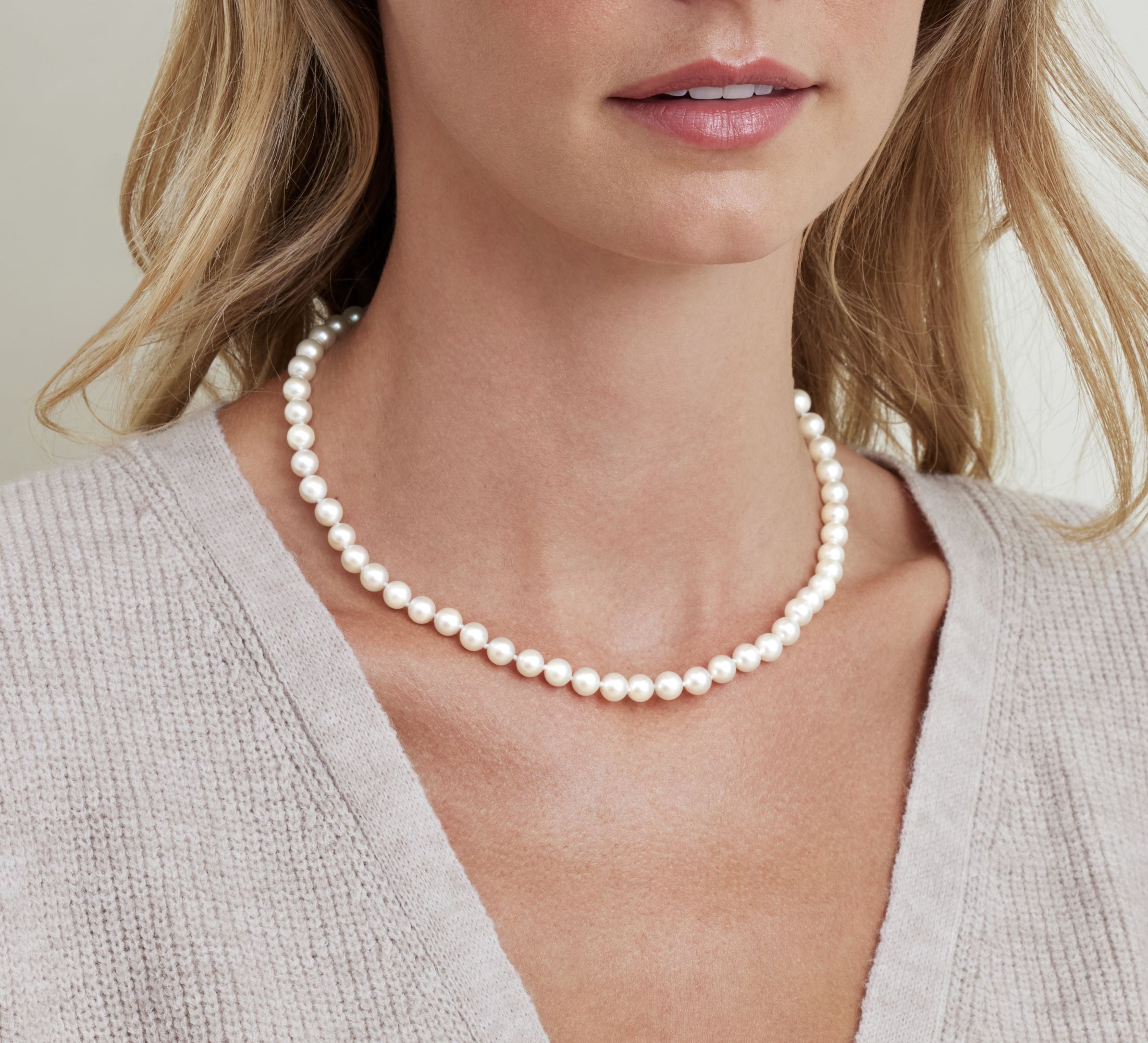
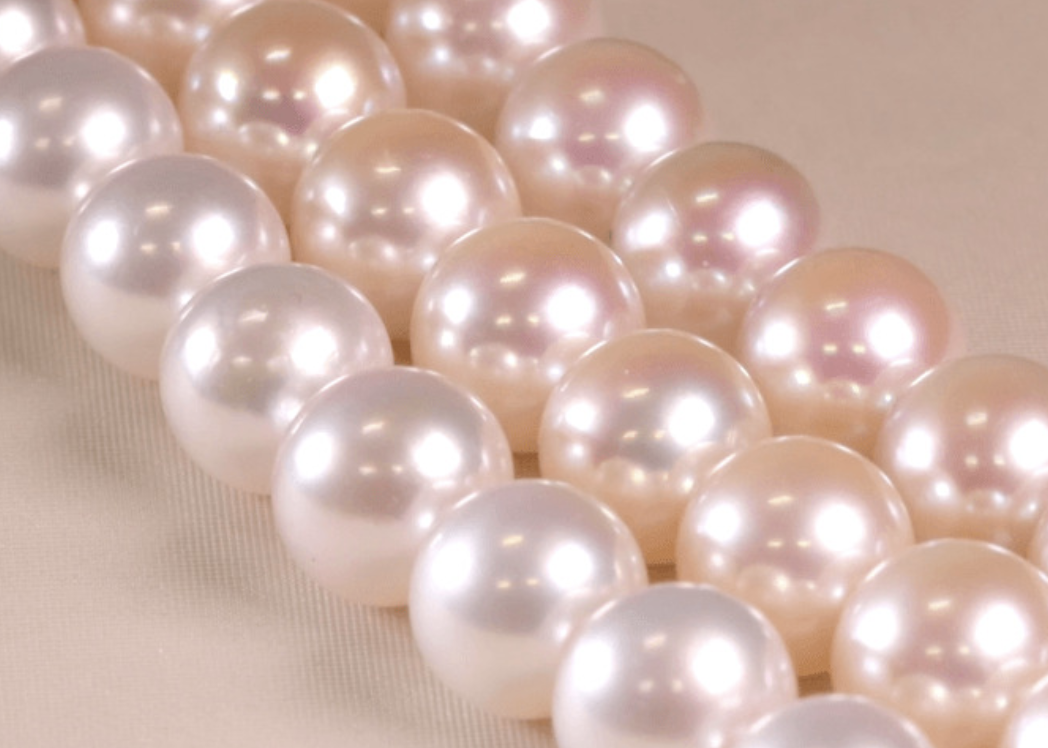
In practice, pearl quality is typically prioritized in the following order:
Higher quality pearls combine strong performance across multiple factors, with luster and surface quality carrying the most weight.
In practice, buyers often focus on size or price, but experts prioritize luster and surface quality first. A smaller pearl with high luster will typically appear more refined than a larger pearl with weaker luster. Quality is determined by how factors work together, not by any single characteristic in isolation.
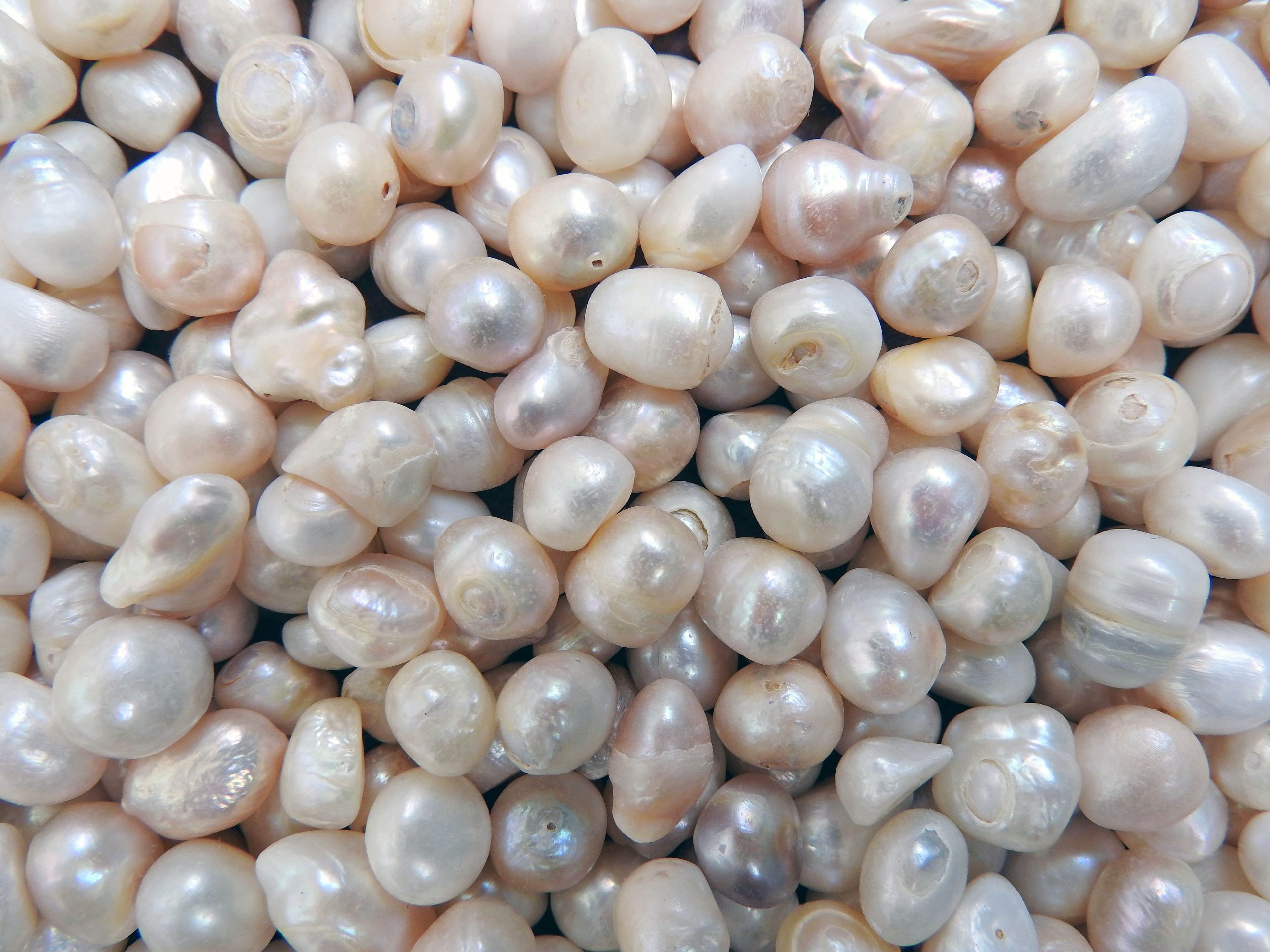
Luster: Luster refers to the quality and intensity of light reflected from the pearl’s surface. Higher luster produces sharper, more defined reflections and is often considered the most important indicator of quality.
Nacre Thickness: Nacre thickness affects both durability and visual depth. Thicker nacre contributes to stronger luster and greater resistance to wear over time.
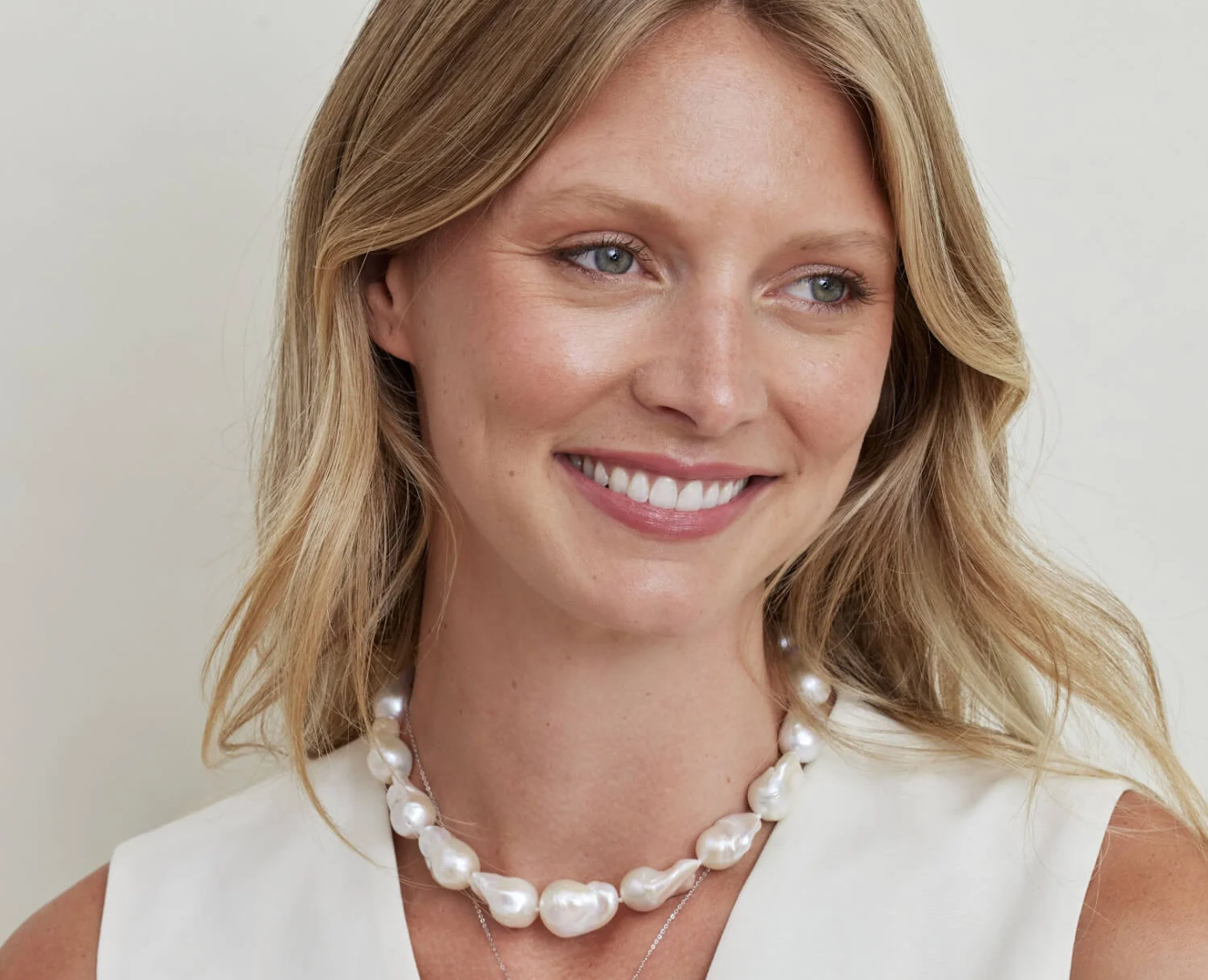
Shape: Round pearls are traditionally considered the most valuable due to their rarity. Symmetry and balance also contribute to perceived quality.
Size: Larger pearls are generally more rare, particularly when combined with high luster and smooth surfaces. Size alone does not determine quality but influences value.
Color: Pearl color includes body color, overtone, and orient. Even, well-balanced color with visible depth is typically preferred.
Surface Quality: Surface quality refers to the presence of blemishes or irregularities. Fewer visible imperfections generally indicate higher quality.
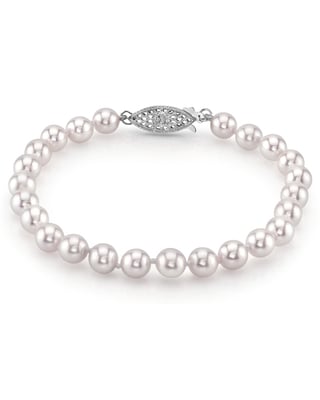
Matching: Matching evaluates how well pearls align in multi-pearl jewelry such as strands or earrings. Consistency in size, shape, color, and luster is key.
A common mistake is assuming size determines quality. In practice, luster and surface quality have a greater impact on how a pearl looks. Larger pearls with weak luster often appear less refined than smaller pearls with stronger luster.
Before evaluating pearl quality, consider:
Use these guides to apply quality factors when choosing pearl types and jewelry:
Written by:
Katie Muirhead
Content & Editorial
The Pearl Source
Reviewed by:
Lauren Greenberg
GIA-Certified Pearl Expert
The Pearl Source
Signup now and receive an email once I publish new content.

Content Writer and Editor at The PearlSource
Kate Muirhead is the editor and content writer for leading pearl retailer The Pearl Source. She believes in the power of signature jewelry, and that collecting it is half the fun.
 Best Jewelry Brands in 2026: How to Choose Where to Buy Pearls Online