
Pearl Colors: Natural Shades, Overtones and Meanings
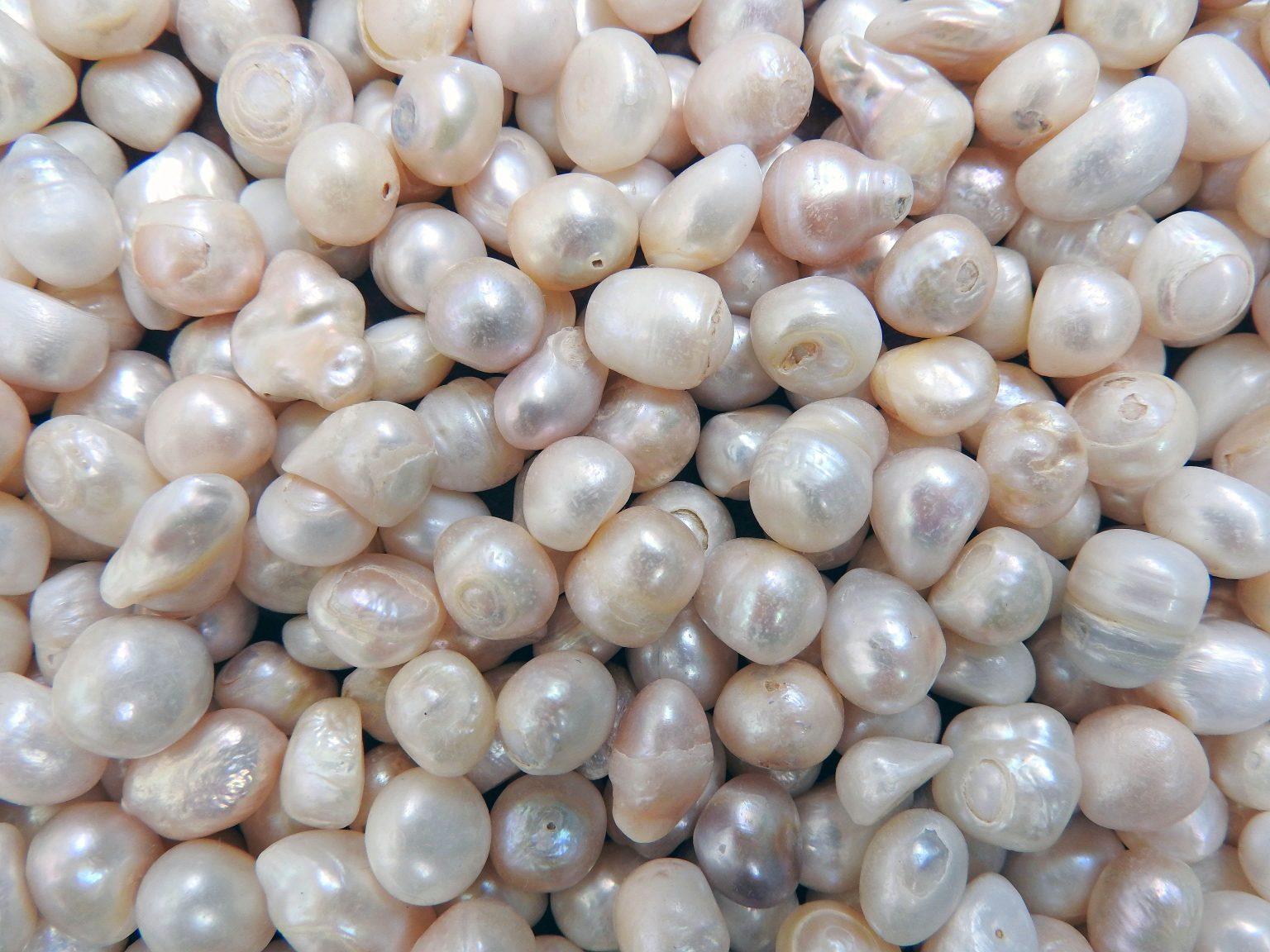
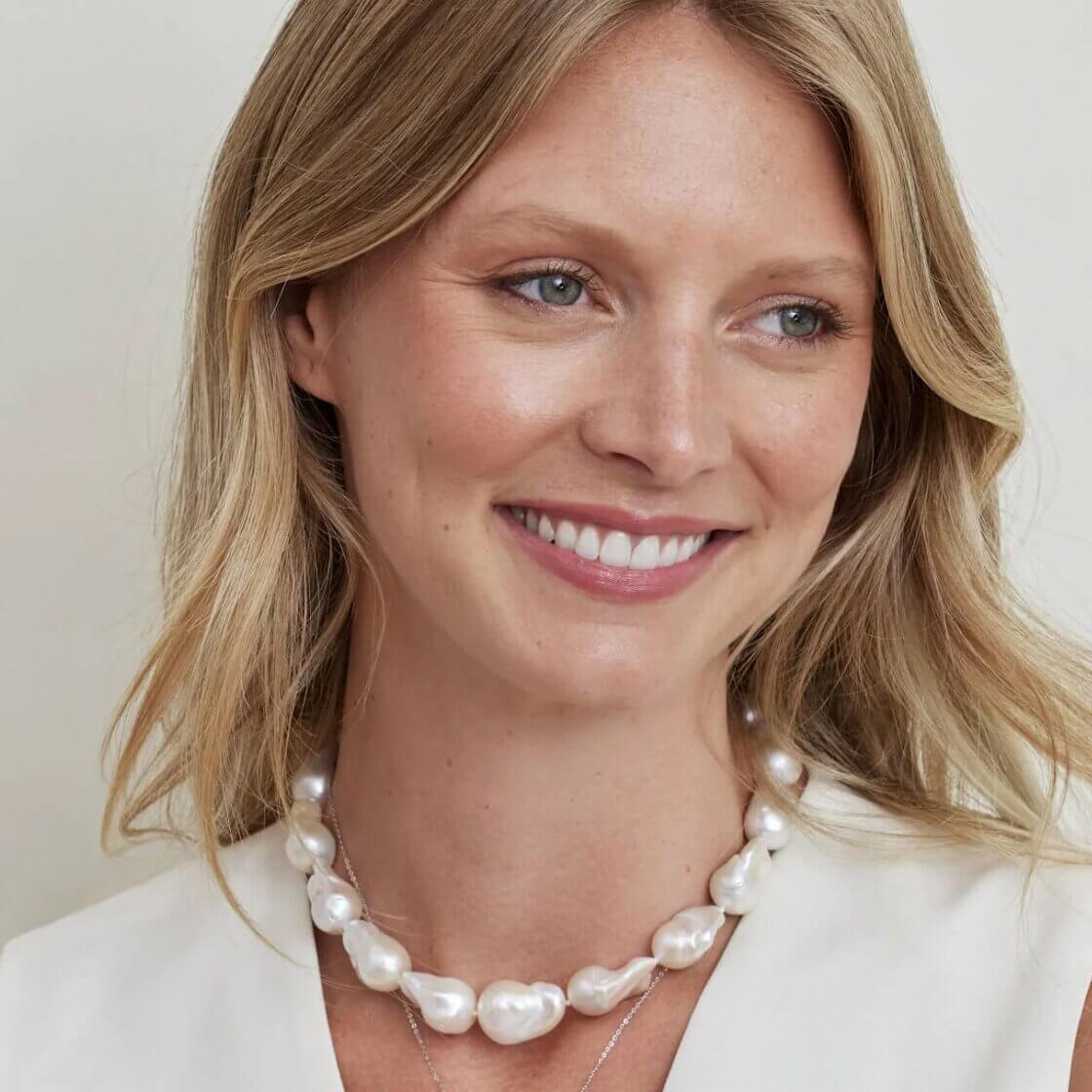
Pearls occur in many bodycolors, often modified by an overtone and sometimes orient. A color may be natural to the mollusk and its conditions, enhanced by treatment, or created by dyeing. Color alone does not prove type, origin, treatment or value.
Key takeaways:
According to GIA’s pearl classification, color has three components. Bodycolor is the pearl’s dominant overall color, overtone is a translucent secondary color that appears over the bodycolor (for example, a rosé overtone on a white pearl), and orient is an iridescent play of color that seems to move across the surface as the pearl catches the light.
Lighting, surface quality, nacre thickness and viewing angle can all change how a pearl’s color appears, so the same pearl can look noticeably different from one setting to the next.
A pearl’s color may occur naturally, be enhanced by treatment, or be created through processes such as bleaching, dyeing or irradiation. None of these can be reliably diagnosed from a photo or by eye. When treatment or origin materially affects the purchase, ask the seller for disclosure or seek independent laboratory testing rather than relying on appearance alone.
Typical palettes vary by pearl type, but individual pearls vary too—these are common examples, not guarantees.
| Pearl Type | Common Colors | Caution |
| Freshwater | White, cream, peach, pink, lavender | Unusually saturated or perfectly uniform color across a strand may indicate treatment |
| Akoya | White or cream, often with rose, silver or greenish overtones | Overtone preference is stylistic, not an objective quality grade |
| Tahitian | Naturally dark: gray, green, blue, aubergine, peacock-like | Not every dark or “black” pearl is Tahitian or untreated |
| South Sea | White, silver, golden | Type, origin, treatment and overall quality still matter more than color alone |
Freshwater cultured pearls commonly occur in white, cream, peach, pink and lavender. Our freshwater pearls guide covers the type in more depth.
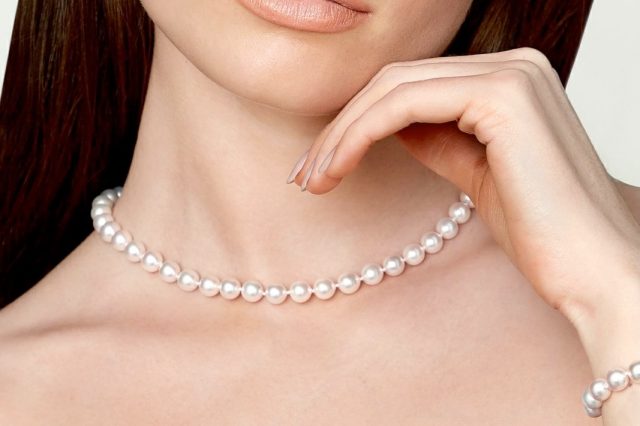
Akoya cultured pearls are commonly white or cream, often with rose, silver or greenish overtones. A particular overtone is a matter of taste, not an objective grade—see our Akoya color guide for more examples.
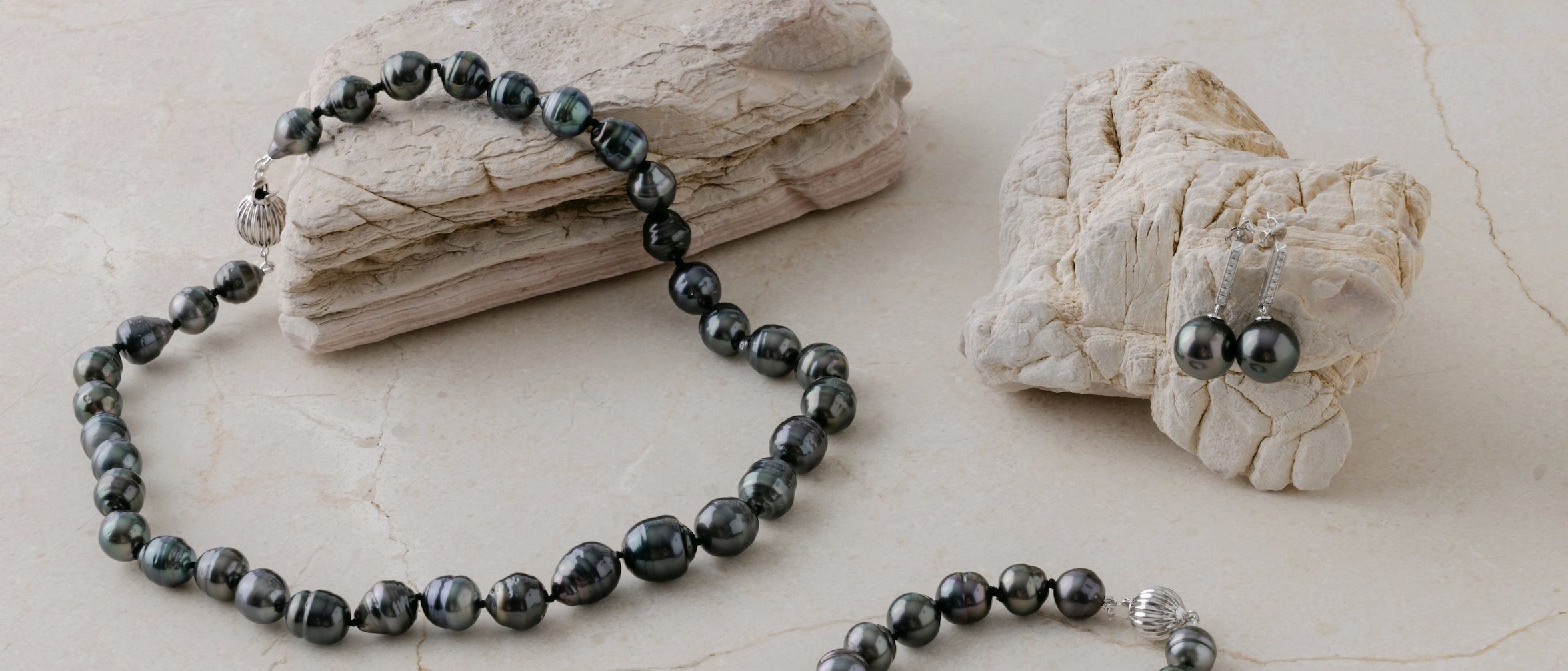
Tahitian cultured pearls can naturally show dark gray, green, blue, aubergine and peacock-like colors. Not every dark or “black” pearl is Tahitian or untreated—other types can be dyed to imitate the look. Our Tahitian colors guide goes deeper on this range.
South Sea pearls span white, silver and golden ranges. As with any type, origin, treatment and overall quality still matter more than color alone.
White, cream, silver, pink, peach and lavender are popular for their versatility and softness. These are styling choices as much as anything else—none is inherently more “correct” than another.
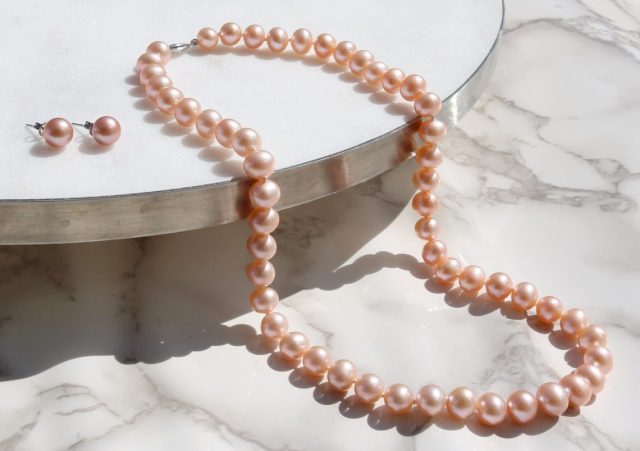
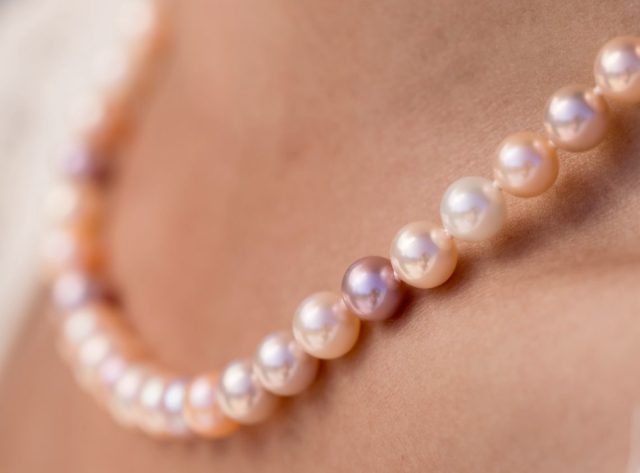
Black, gray, green, peacock, golden, champagne, bronze and blue pearls all exist across different types and treatment methods. Blue coloring in pearls is not the result of a “metabolic disorder,” and rare colored gems like Melo “pearls” (which aren’t nacreous pearls at all) shouldn’t be used as a routine example of pearl color.
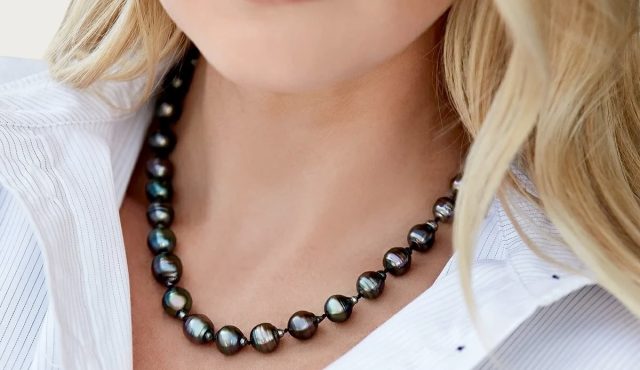
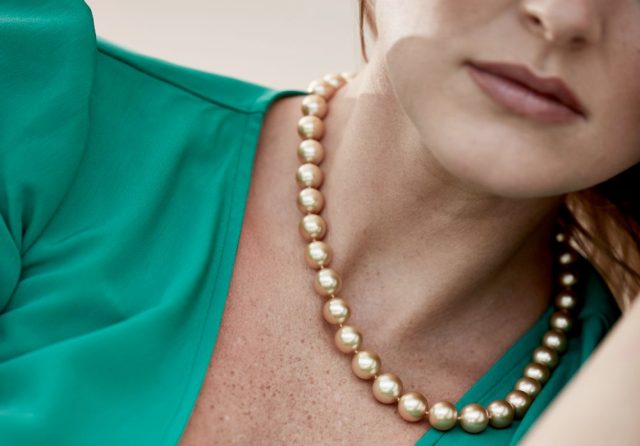
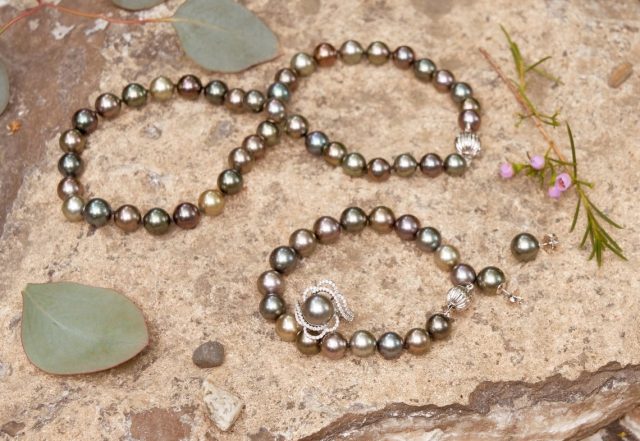
Pearls carry historical, cultural and personal associations that vary widely by era and region—these are traditions, not measurable properties. White has long been associated with purity and new beginnings in Western bridal customs; black and dark pearls have carried associations with sophistication and mystery; pink has been linked to romance and femininity in various traditions. These associations are worth knowing for context, but they aren’t factual claims about what a pearl does—pearls don’t have documented healing, chakra-balancing, prosperity-generating or protective effects.
There’s no rigid rule that a “warm” or “cool” skin tone requires a specific pearl color—treat any such guidance as a starting point, not a formula. It’s worth trying a pearl in a few different lighting conditions (daylight, indoor, evening) before deciding, since color and contrast can look different in each.
Ask the seller for the pearl type, whether the color is natural or treated, the return policy, and—for a high-value origin or treatment claim—an independent laboratory report. According to the FTC, sellers should disclose material treatments clearly rather than leaving buyers to guess.
No. Color can affect rarity or demand within a given pearl type, but value also depends on luster, surface, shape, size, matching, nacre and other quality factors. Avoid treating any specific color as an automatic price multiplier.
There’s no single universal answer across all pearl types. Rarity depends on the mollusk, origin, treatment and quality involved, and it shifts with market conditions.
Some Tahitian cultured pearls are naturally dark, but black pearls of other types may be treated to achieve that color. Color alone can’t establish which is which.
Yes. Pearls can be bleached, dyed, irradiated or otherwise processed to alter their color. Any material treatment should be disclosed by the seller.
There’s no universal best. Choose a color you like, then assess quality, treatment disclosure, compatibility with your wardrobe, and price.
Describe a pearl’s color using bodycolor, overtone and orient rather than a single label. Confirm treatment and origin when they matter to your decision, and judge color together with overall quality and your own preference—not as a stand-alone grade. For the science of how these colors actually form, see our guide to understanding pearl colors, and for shape terminology, our guide to pearl shapes. The Pearl Source’s pearl color collection is a useful reference if you’re ready to compare pieces directly.
Signup now and receive an email once I publish new content.
