Myth: Freshwater Pearls Are Low Quality

If you’ve started researching pearls, you’ve probably come across the idea that freshwater pearls are somehow “inferior” to other pearl types. Many buyers assume that because freshwater pearls are often more affordable than Akoya, Tahitian, or South Sea pearls, they must be lower quality.
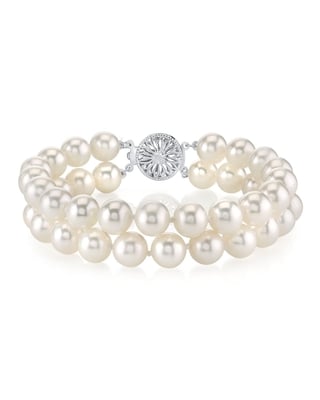
In reality, freshwater pearls can range from budget-friendly to exceptional quality. Price and quality are not the same thing, and some freshwater pearls rival far more expensive pearl types in appearance and craftsmanship.
The misconception usually comes from two observations.
First, freshwater pearls are often the most affordable pearl category on the market. Second, many people’s first exposure to freshwater pearls comes through lower-priced jewelry, where quality standards may vary considerably.
As a result, some buyers assume that all freshwater pearls are low quality. The reality is much more nuanced. Like other pearl types, freshwater pearls exist across a wide range of quality levels.
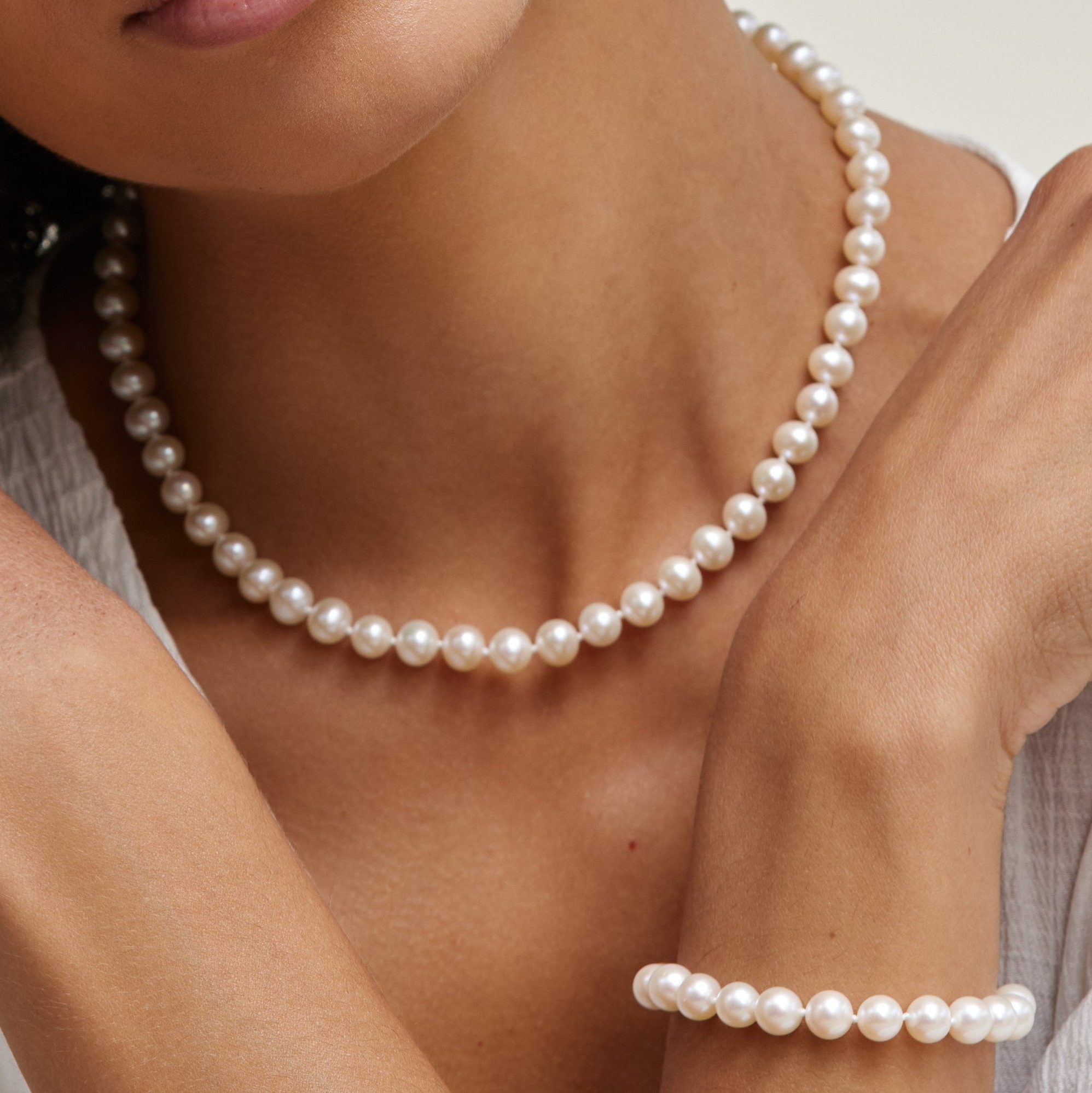

Part of this myth comes from outdated information and perceptions that no longer reflect today’s pearl market. Decades ago, many freshwater pearls were produced in shapes and qualities that looked noticeably different from traditional Akoya pearls, which helped create the impression that freshwater pearls were a lower-tier option.
Modern freshwater pearl farming has evolved significantly, and today’s freshwater pearls are available in a much wider range of qualities, shapes, sizes, and colors. As farming techniques have improved, so has the overall quality available to consumers, making it increasingly difficult to judge a pearl simply by its category.
The factors that determine pearl quality are generally the same regardless of pearl type. Experts evaluate pearls based on characteristics such as luster, surface quality, shape, size, color, and matching rather than relying on whether a pearl is freshwater, Akoya, Tahitian, or South Sea.
A freshwater pearl with exceptional luster and clean surfaces will often appear far more beautiful than a poorly selected pearl from a more expensive category. This is one reason quality assessment matters more than broad assumptions about pearl type when evaluating a piece of pearl jewelry.
Experts typically evaluate pearls based on:
Lower prices can create the impression that freshwater pearls are lower quality, but affordability and quality are not the same thing. Freshwater pearls are generally produced differently from Akoya, Tahitian, and South Sea pearls, and production volumes are often higher, which helps make them more accessible to a wider range of buyers.
However, accessibility should not be confused with poor quality. Many consumers intentionally choose freshwater pearls because they offer an attractive balance between appearance, versatility, and value. In many cases, buyers can obtain excellent quality pearls while staying within a more modest budget.
One of the biggest misconceptions is that pearl type and pearl quality are interchangeable concepts. In reality, pearl type tells you where a pearl comes from and how it is cultivated, while quality refers to how well that pearl performs across the characteristics experts use to evaluate it.
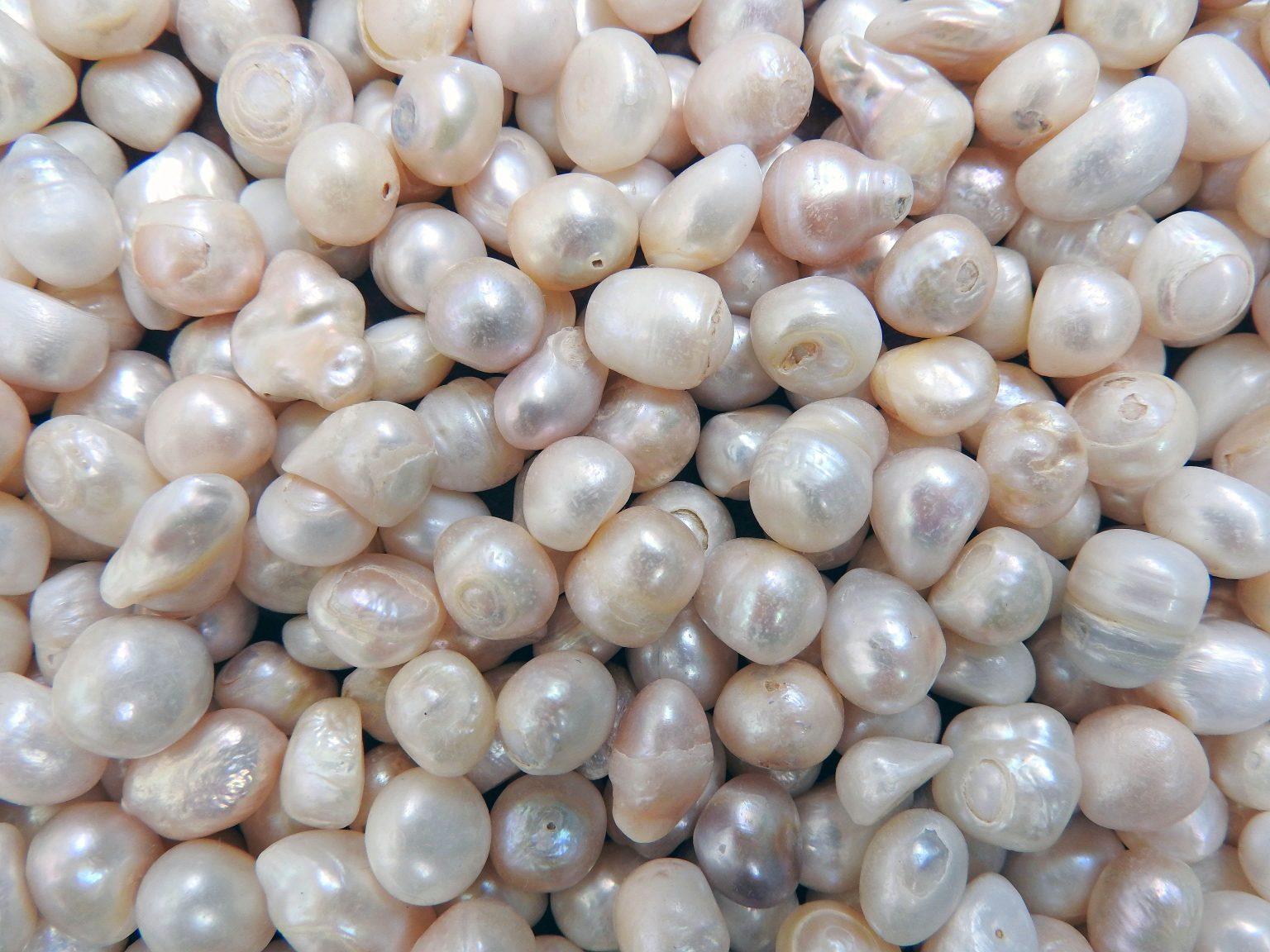
Another common mistake is assuming that all freshwater pearls are essentially the same. The quality range within freshwater pearls is enormous, which means two freshwater necklaces can look dramatically different despite belonging to the same pearl category. This variation is one reason experienced buyers focus on quality factors rather than labels alone.
Professional pearl evaluation begins with the pearls themselves rather than the category printed on a product description. Rather than asking whether a pearl is freshwater or Akoya, experts typically start by examining luster, surface condition, matching, shape, and overall appearance.
These characteristics have a much greater impact on how a finished piece of jewelry looks and feels. This is also why reputable pearl specialists apply quality standards within each pearl category rather than assuming one type is automatically superior to another.
Freshwater pearls continue to be one of the most popular pearl categories because they offer an unusual combination of versatility, quality, and value. They are available in a wide range of sizes, shapes, and colors, making them suitable for many different jewelry styles and personal preferences.
For many buyers, freshwater pearls provide access to beautiful pearl jewelry across a broad range of budgets without sacrificing appearance. Their flexibility and accessibility are major reasons they remain one of the most widely purchased pearl types in the world today.
For a complete comparison of freshwater and Akoya pearls, see:
Freshwater vs Akoya Pearls: Comparison & Decision Guide — The Pearl Source
This framework explains the key differences between the two pearl types, including appearance, value, durability, and buying considerations.
You may also find helpful:
Our Pearl Quality Control Process: Selection & Rejection Criteria — The Pearl Source
This guide explains how pearls are evaluated, selected, and rejected based on quality standards rather than pearl type alone.
Yes. Freshwater pearls are genuine cultured pearls created by freshwater mussels.
Not necessarily. Both pearl types are available in a range of qualities, and individual pearls should be evaluated on their own merits.
Production methods and supply levels generally make freshwater pearls more accessible, but lower prices do not automatically mean lower quality.
Many experts consider luster the most important factor because it has the greatest impact on a pearl’s appearance.
Yes. High-quality freshwater pearls often offer an excellent balance of beauty, versatility, and value.
“One of the most persistent misconceptions in the pearl industry is that freshwater pearls are automatically lower quality. In reality, some freshwater pearls display exceptional luster, matching, and overall beauty. Quality should always be evaluated at the individual pearl level.”
— Lauren Greenberg, GIA-Certified Pearl Expert
Freshwater pearls are not inherently low quality. Like every pearl category, they exist across a broad spectrum of qualities, from entry-level pieces to exceptional pearls that rival much more expensive options.
The best approach is to evaluate the pearls themselves rather than relying on assumptions about pearl type. In many cases, high-quality freshwater pearls offer some of the strongest value in the pearl market.
Written by:
Katie Muirhead
Content & Editorial
The Pearl Source
Reviewed by:
Lauren Greenberg
GIA-Certified Pearl Expert
The Pearl Source
Signup now and receive an email once I publish new content.

Content Writer and Editor at The Pearl Source
Katie Muirhead is the editor and primary writer for The Pearl Expert. With a background in fashion and experience creating content for global jewelry brands, she writes practical guides on pearl quality, buying decisions, care, gifting and modern styling. She also contributes pearl education and editorial content for The Pearl Source.
 How to Avoid Overpaying for Pearls
 Are Pearls Appropriate for a Second Marriage?