How to Avoid Overpaying for Pearls
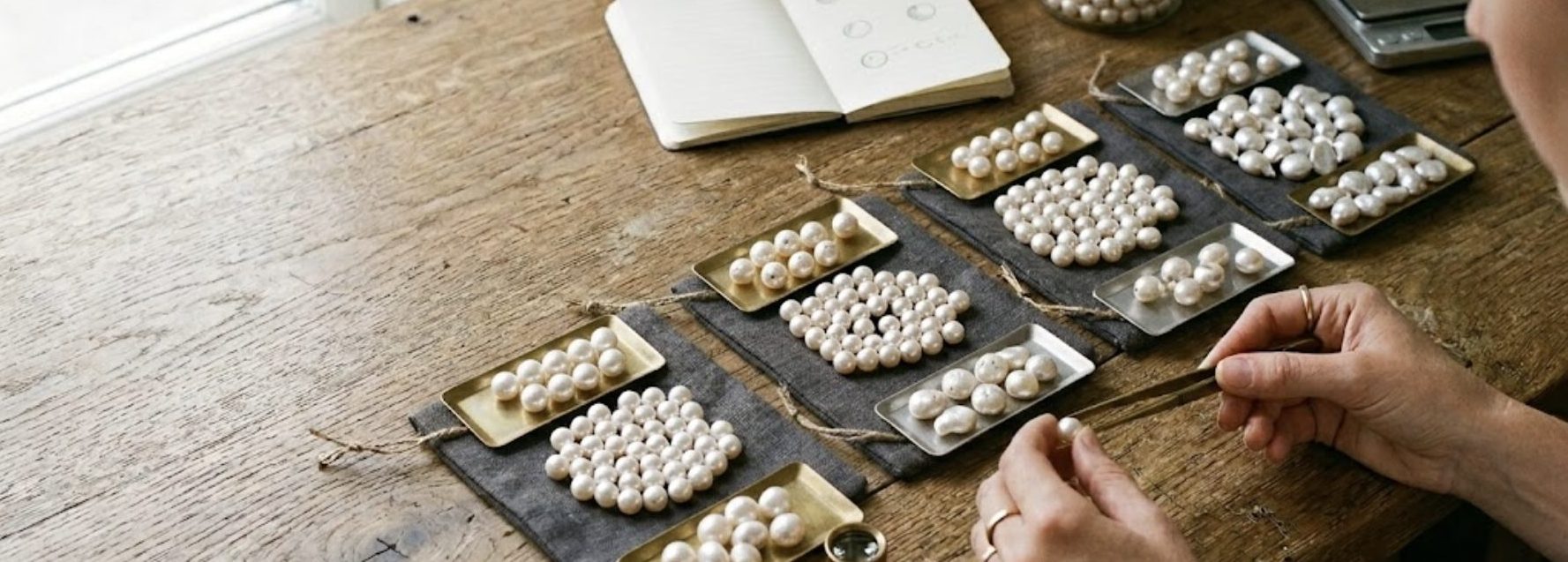
Pearl prices can vary dramatically, and that often leaves buyers wondering whether they’re getting good value or paying more than necessary. It’s a reasonable concern, especially when two pieces of pearl jewelry can look similar while carrying very different price tags.
The good news is that overpaying for pearls is usually avoidable. Once you understand what actually influences pearl value and which costs are unrelated to pearl quality, it becomes much easier to compare options, make informed decisions, and learn how to avoid overpaying for pearls.
Unlike many products, pearl pricing isn’t always intuitive. Buyers may see two necklaces with similar-looking pearls and struggle to understand why one costs significantly more than the other.
Part of the confusion comes from the fact that pearl quality is only one factor affecting price. Brand positioning, marketing, packaging, retail overhead, and other business costs can also influence what consumers ultimately pay.
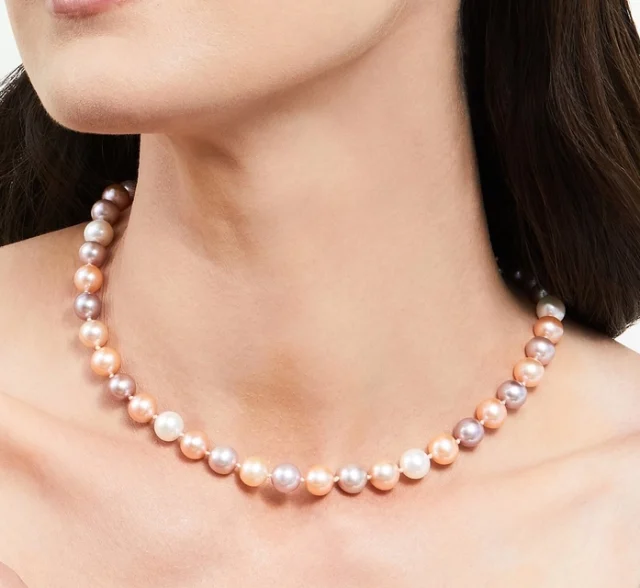

One of the easiest ways to avoid overpaying is to understand what contributes to the final price of a piece of pearl jewelry.
Part of the price reflects the pearls themselves, including factors such as luster, size, surface quality, matching, and rarity. However, another portion of the price may reflect elements such as packaging, advertising, retail overhead, and brand positioning.
Neither category is inherently good or bad, but understanding the distinction helps buyers evaluate value more objectively.
Many buyers use price as a shortcut for quality. While higher-quality pearls often cost more, price alone does not guarantee that a piece offers better value.
Two necklaces may differ significantly in price while containing pearls of relatively similar quality. In these situations, the additional cost may be driven by factors beyond the pearls themselves.
This is why experienced buyers typically evaluate quality first and price second.
One of the most common mistakes is prioritizing pearl size over pearl quality.
Larger pearls often attract attention because size is easy to compare. However, luster usually has a much greater impact on how beautiful a pearl appears when worn. A smaller pearl with exceptional luster will often look more impressive than a larger pearl with a dull or lifeless appearance.
When comparing pieces, focusing on luster can help buyers identify stronger overall value.
Price comparisons are only useful when the pearls being compared are genuinely similar in quality. For example, a necklace featuring better matching, cleaner surfaces, stronger luster, and higher-quality craftsmanship should naturally command a higher price than one lacking those characteristics.
Rather than asking why one piece costs more, it can be more helpful to ask whether the quality differences justify the additional cost.
Terms such as “luxury,” “premium,” and “exclusive” can sound impressive, but they don’t always provide meaningful information about pearl quality.
The truth is, the most useful product descriptions explain the actual characteristics of the pearls rather than relying solely on marketing language. Buyers are often better served by understanding measurable quality factors than by focusing on branding alone.
One common misconception is that the cheapest option automatically represents the best value. In reality, very low prices can sometimes indicate compromises in pearl quality, matching, craftsmanship, or materials.
Another mistake is focusing entirely on the brand while overlooking the pearls themselves. A reputable brand can be valuable, but it should complement quality rather than replace it as the primary consideration.
The strongest purchases usually balance quality, craftsmanship, and price rather than maximizing any single factor.
When evaluating pearl jewelry, experts generally begin with the pearls themselves.
Questions often include:
Only after these questions are answered does the price become meaningful in context.
For a deeper look at how retail pricing and brand markups influence pearl costs, see:
Expensive vs Affordable Pearls: Understanding Brand Markups & Pricing — The Pearl Source
This framework explains the difference between pearl value and retail pricing, including the role of branding, overhead, and quality.
You may also find helpful:
What Impacts Pearl Price? Ranked Factors Explained — The Pearl Source
This guide breaks down the major factors that influence pearl pricing, from luster and size to rarity and pearl type.
Compare the pearl quality, craftsmanship, materials, and overall value rather than relying on price alone. Significant price differences should generally be supported by meaningful quality differences.
Many experts consider luster the most important factor because it has the greatest impact on appearance.
No. While higher-quality pearls often cost more, retail pricing can also reflect branding, marketing, and business expenses.
Not necessarily. Extremely low prices can sometimes indicate compromises in quality or craftsmanship.
Most experts recommend evaluating pearl quality first and considering brand factors separately.
“Buyers often worry about overpaying, but the best protection is understanding what drives pearl value. When you know how to evaluate quality, it’s much easier to determine whether a price is justified.”
— Lauren Greenberg, GIA-Certified Pearl Expert
Avoiding overpayment isn’t about finding the cheapest pearls. It’s about understanding what you’re paying for and whether the quality, craftsmanship, and overall value support the price.
The most informed buyers focus on the pearls themselves first and use that knowledge to evaluate pricing more confidently.
Written by:
Katie Muirhead
Content & Editorial
The Pearl Source
Reviewed by:
Lauren Greenberg
GIA-Certified Pearl Expert
The Pearl Source
Signup now and receive an email once I publish new content.

Content Writer and Editor at The Pearl Source
Katie Muirhead is the editor and primary writer for The Pearl Expert. With a background in fashion and experience creating content for global jewelry brands, she writes practical guides on pearl quality, buying decisions, care, gifting and modern styling. She also contributes pearl education and editorial content for The Pearl Source.
 Do Pearls Lose Their Shine Over Time?
 Myth: Freshwater Pearls Are Low Quality