Pearl Jewelry Price Guide: What You Can Actually Get for $100, $300, $500, and $1,000+
Shopping for pearl jewelry is an exciting feat — until you open a browser tab and realize that “pearl necklace” returns results ranging from $40 to $40,000. The price spread is real, and it can make the whole process feel more confusing than it needs to be.
The good news is that pearl pricing follows a logic. Once you understand what actually drives the cost — pearl type, luster, nacre quality, matching — the numbers start to make sense. This guide breaks down what expensive vs. affordable pearls realistically deliver, so you can shop with confidence whether you’re buying a gift, treating yourself, or making a longer-term investment.
Before diving into budgets, it helps to know how much pearls are worth. Pearl prices are shaped by a handful of key factors:
Pearl type is the biggest driver. Freshwater, Akoya, South Sea, and Tahitian pearls each come from different mollusks, different parts of the world, and very different production processes — and that’s reflected in price.
Luster is the most visible quality signal. It’s the brightness and sharpness of a pearl’s reflection. Strong luster gives pearls that signature inner glow. Weak luster looks chalky or flat.
Nacre thickness matters for both appearance and longevity. Thicker nacre means a deeper, more complex glow and a pearl that holds up better over time.
Surface quality refers to how clean and smooth the pearl’s surface is. Minor marks are natural in organic gems, but cleaner pearls cost more.
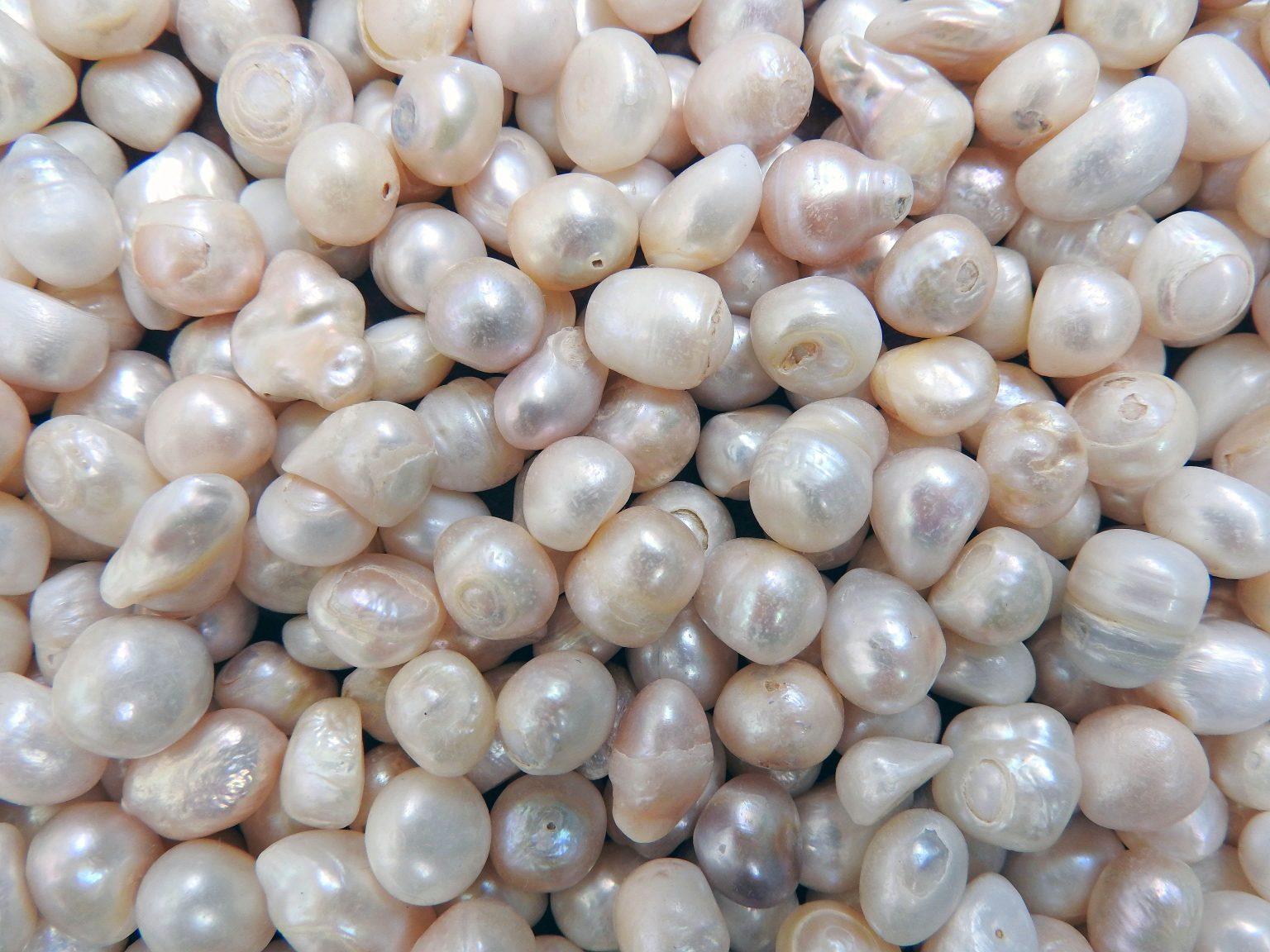
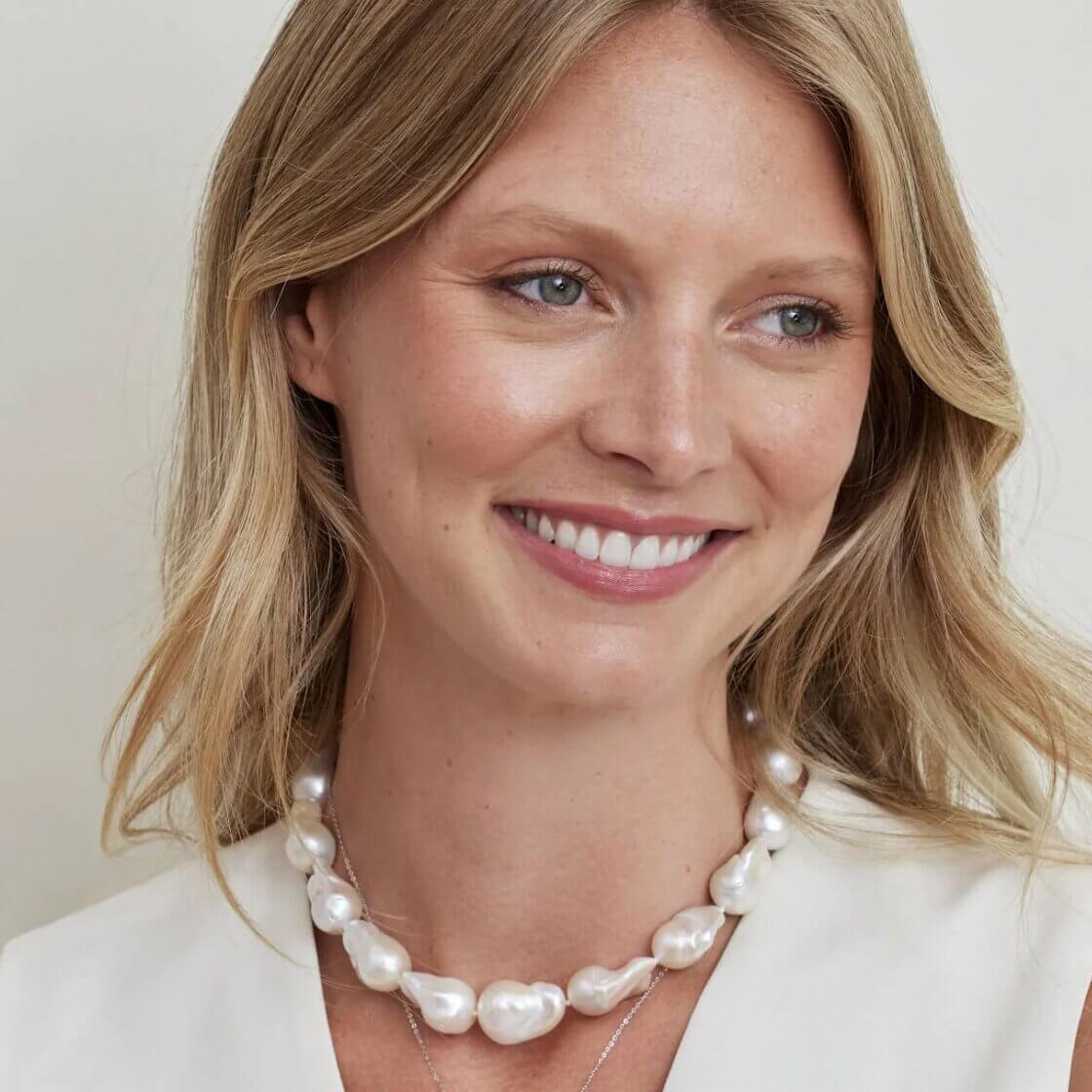
Shape plays a role too — true round pearls are rarer and more expensive than off-round, baroque, or button shapes.
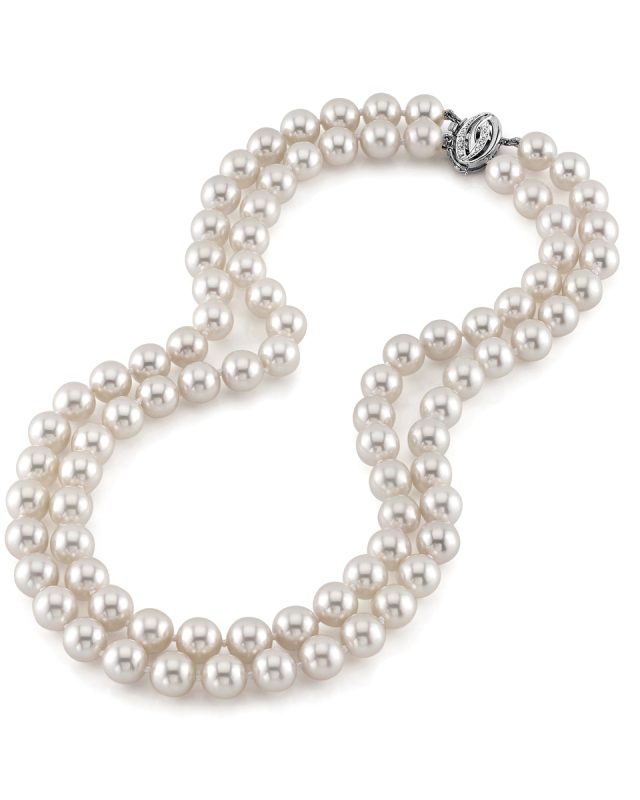
Matching is especially important for necklaces and bracelets. Assembling a strand where every pearl is consistent in size, color, and finish takes significant time and inventory. That effort shows up in the price.
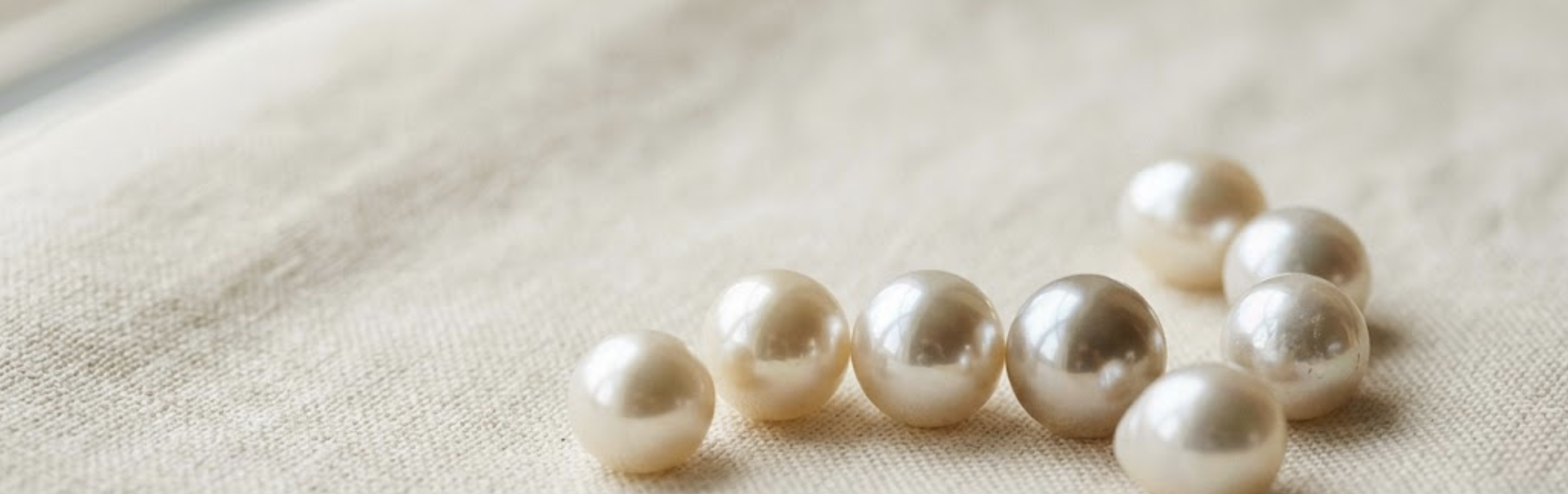
Worth clarifying upfront: a cultured pearl is a real pearl. Almost all pearl jewelry on the market today — at every price point — uses cultured pearls, where farmers initiate the growth process inside a live mollusk. The pearl still forms naturally; the process is just guided.
Natural pearls, which form entirely without human intervention, are exceptionally rare and priced accordingly — most buyers will never encounter them outside of an auction house. When you’re comparing pieces at any reputable pearl retailer, you’re almost certainly comparing cultured pearl types, not real versus fake.
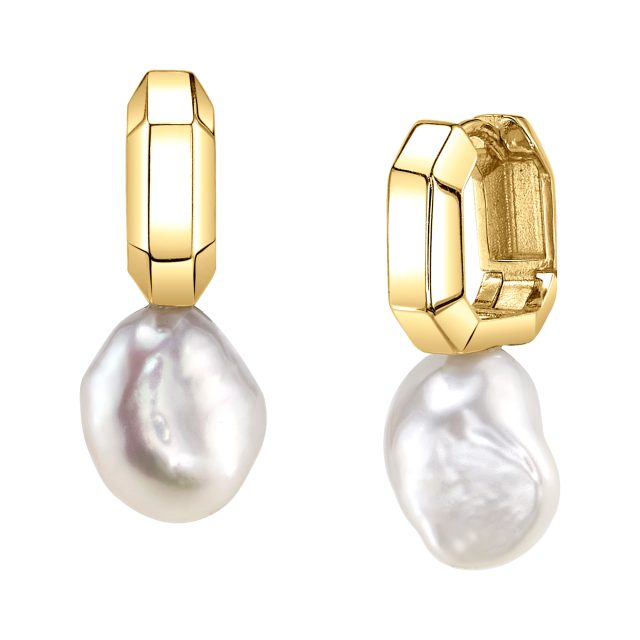
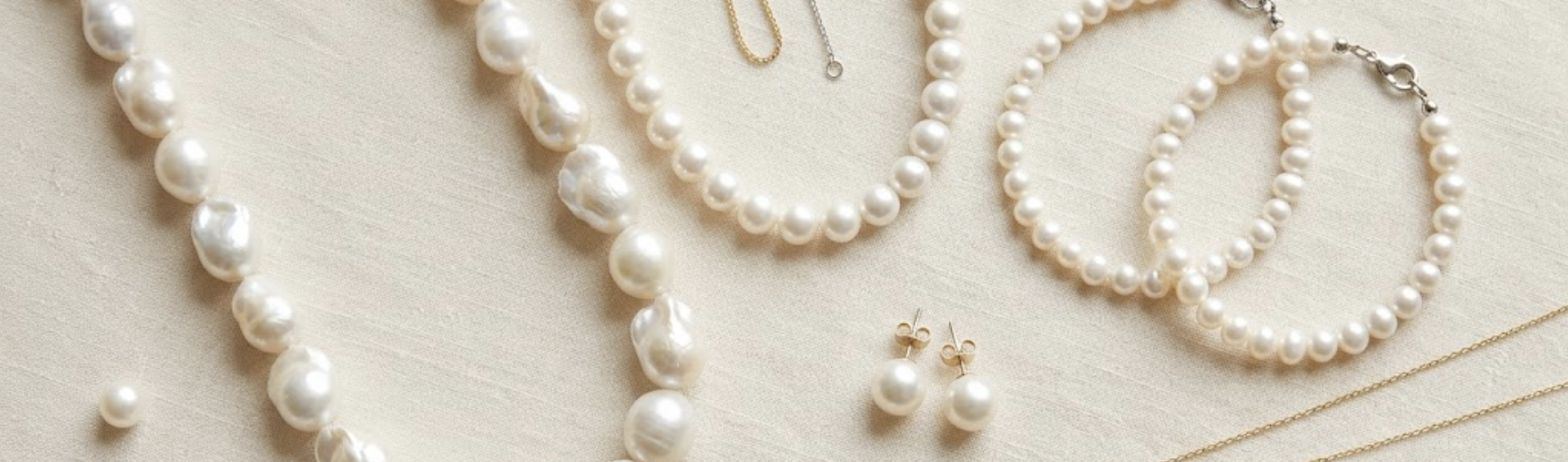
The style you choose shapes the price almost as much as the pearl type. A full strand requires many matched pearls, which makes it the most expensive format. Earrings and pendants, built around one or two pearls, are usually more accessible.
| Jewelry Type | Typical Price Range | Main Price Driver |
|---|---|---|
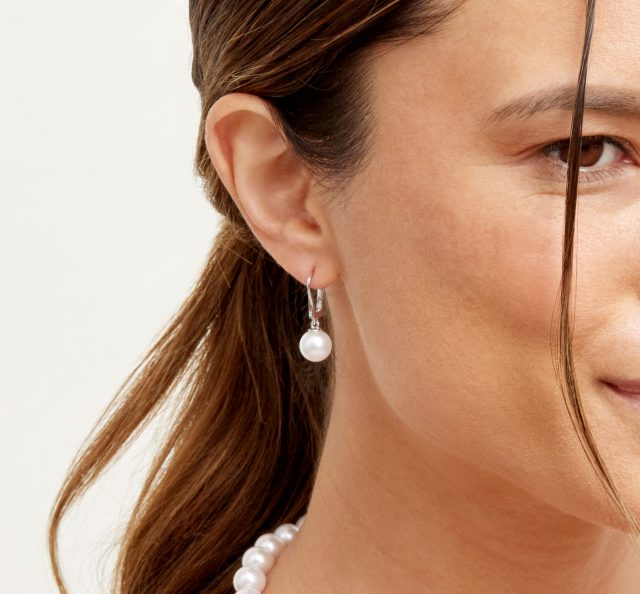
| Pearl earrings | Under $100 to $1,000+ | Pearl type, size, setting |
| Pearl pendants | Under $100 to $1,000+ | Single pearl quality, metal |
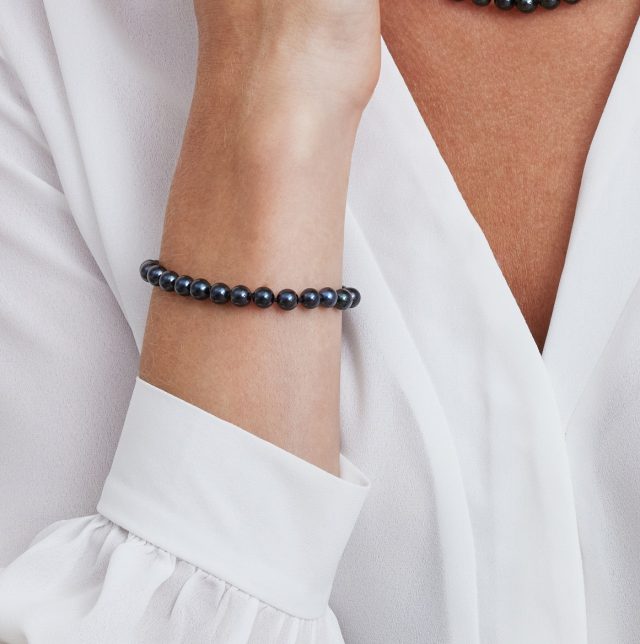
| Pearl bracelets | $50 to $2,000+ | Matching, length, pearl type |
| Pearl necklaces | $50 to $100,000+ | Matching, strand length, pearl type |
At $100, freshwater pearls are your best option — and thankfully, there are some gorgeous budget-friendly options out there! This budget covers real pearl jewelry that looks polished and wearable without aiming for collector-grade quality. Simple stud earrings, a small pendant, or an entry-level bracelet are all realistic here.
Surface quality at this price may show minor natural marks, and matching on a strand will be simpler. That’s expected. The piece earns its price when the pearls look lively from the front, the setting feels secure, and any flaws are minor enough not to distract.
At this price you’re not getting flawless rounds or impeccable matching. You’re getting attractive freshwater pieces with some compromise on shape or surface quality — which is completely fine for everyday wear or a thoughtful, accessible gift.
At $300, your options expand noticeably. Better-quality freshwater pearls become available, short strands become realistic, and some entry-level Akoya pieces start to appear. This is also a good budget if you’re drawn to baroque pearls — their irregular shapes mean you can get more size and personality for less money than a perfectly round equivalent.
Freshwater generally gives you more size and more style options per dollar. Akoya, even at the entry level, gives you a sharper, more classic saltwater look. The right choice depends on whether you prioritise presence or polish. This is often the sweet spot for gifting — a meaningful step up from entry-level without requiring a significant budget conversation.
At $500, pearl jewelry starts to feel genuinely fine. This is where Akoya pearls become a realistic choice, better-matched strands appear, and the overall presentation shifts from fashion jewelry to something that feels more considered.
Visual consistency. The pearls in a necklace or bracelet are closer in size, color, and finish, which makes the whole piece look more expensive than the sum of its parts. Luster also improves meaningfully — you start to see that bright, mirror-like reflection that makes pearls feel alive. Settings improve too: clasps and mountings feel more secure and intentional.
Once you cross $1,000, you’re in genuine luxury territory. South Sea pearls, Tahitian pearls, and fine Akoya strands all become realistic. The price reflects rarer pearls, larger sizes, more careful matching, and often more considered design.
At this level, it’s worth asking what part of the price comes from the pearl quality and what part comes from the label or packaging. Two pieces can look similar and sit at very different price points based on brand positioning alone. Buying from a specialist retailer like The Pearl Source tends to offer more transparency on this.
Pearls are best approached as heirloom purchases rather than assets. Fine quality, rarity, and lasting craftsmanship matter most. A well-chosen piece at this level can last generations.
Focus on luster and surface quality first — these are the most visible quality signals. A piece is worth its price when the pearls look bright and lively in person, the matching feels consistent for the style, and the setting is secure. Clear quality descriptions and a solid return policy from the retailer are also good signs.
Significant. Freshwater pearls sit at the lower end of the price range, while saltwater varieties — Akoya, Tahitian, and South Sea — cost more due to rarity, production limits, and the quality factors associated with each type. The jump from freshwater to Akoya is noticeable; the jump from Akoya to South Sea is substantial.
Not automatically. Price reflects pearl type, grading, metal quality, and sometimes brand positioning. Two pieces can look similar and be priced very differently. Focusing on the value factors — luster, nacre, surface quality, matching — helps you judge whether a price is fair regardless of the number attached to it.
Start with budget, then think about the recipient’s style. Earrings and pendants are the safest formats because they don’t require sizing. Freshwater is the right choice for a thoughtful, accessible gift; Akoya is a step up for a more significant occasion. When in doubt, buying from a specialist retailer with a good return policy gives you flexibility.
There’s no wrong budget for pearl jewelry — only expectations that don’t match the price. A $100 pair of freshwater studs, bought from the right place, can be a genuinely lovely gift. A $1,000 South Sea pendant, chosen well, is something a person might wear for the rest of their life.
The key is knowing what each price point actually delivers, so you’re not disappointed by what arrives or overpaying for something you don’t need. Understanding the quality factors — luster, nacre, surface, matching — gives you the tools to judge value honestly, wherever you’re shopping.
Written by:
Katie Muirhead
Content & Editorial
The Pearl Source
Reviewed by:
Lauren Greenberg
GIA-Certified Pearl Expert
The Pearl Source
Signup now and receive an email once I publish new content.

Content Writer and Editor at The Pearl Source
Katie Muirhead is the editor and primary writer for The Pearl Expert. With a background in fashion and experience creating content for global jewelry brands, she writes practical guides on pearl quality, buying decisions, care, gifting and modern styling. She also contributes pearl education and editorial content for The Pearl Source.
 Pearl Tooth Test: Does It Really Work?
 How Younger Generations Are Wearing Pearls Today