How Younger Generations Are Wearing Pearls Today
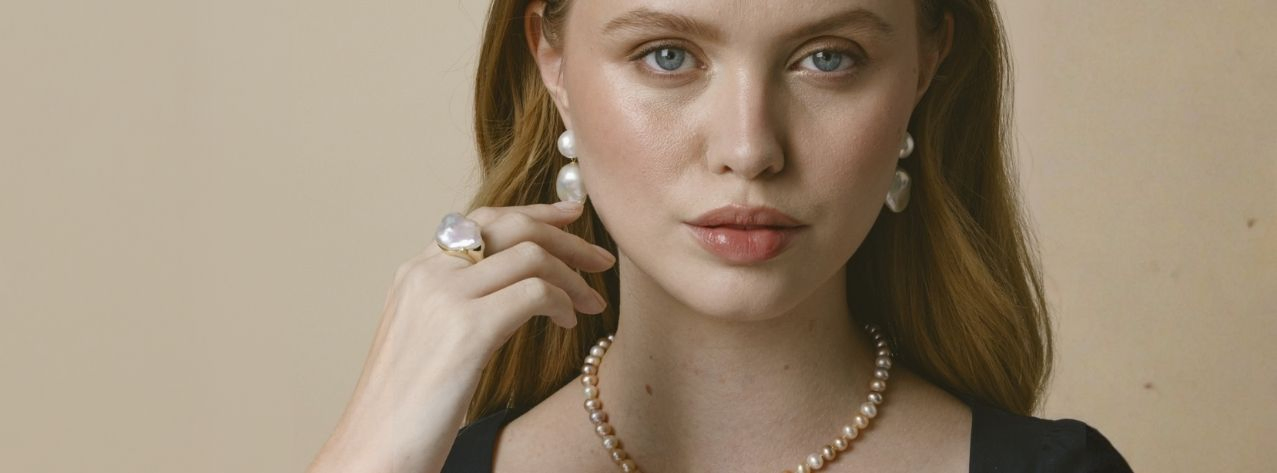
For much of the last century, pearls were associated with formal occasions, family heirlooms, and classic jewelry collections. Today, modern pearl jewelry has transformed how we view and wear these timeless gems. They were often viewed as something you inherited, wore to a special event, or saved for later in life.
Today, that perception is changing. Younger generations are embracing pearls in ways that would have seemed unusual just a decade ago. They’re wearing them with jeans and T-shirts, layering them with gold chains, choosing irregular baroque shapes over perfectly round strands, and incorporating them into everyday wardrobes rather than reserving them for special occasions.
What’s interesting is that the pearl itself hasn’t changed. The shift has happened in how people wear pearls, what they expect from jewelry, and how they define personal style.
One of the biggest changes in recent years is that pearls are increasingly being treated as everyday jewelry. While they still play an important role in weddings, milestone celebrations, and formal occasions, many younger buyers are approaching them with a very different mindset.
Instead of asking, “When would I wear pearls?” they’re asking, “How can pearls fit into what I already wear?” This subtle shift has had a significant impact on how pearl jewelry is styled and purchased.
Pearl earrings are now worn with workwear, simple pearl pendants are paired with casual outfits, and pearl necklaces are layered alongside chains and other jewelry. Rather than being saved for special occasions, pearls are becoming part of everyday wardrobes.
Fashion has become increasingly individual over the past decade. Rather than following a single set of style rules, younger consumers tend to mix influences, aesthetics, and jewelry categories more freely than previous generations.
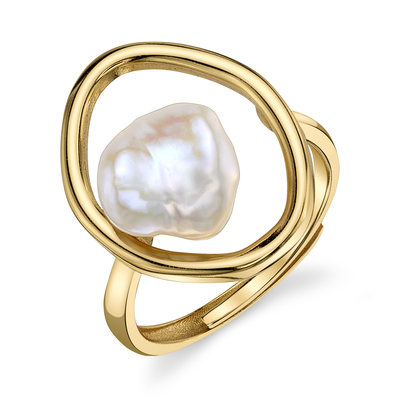
Pearls have benefited from this shift because they can adapt to so many different looks. Someone with a minimalist wardrobe may choose a delicate pearl pendant, while someone with a more fashion-forward aesthetic may gravitate toward oversized baroque pearls or mixed-material designs.
The focus is often less about whether pearls are “appropriate” and more about whether they feel authentic to the individual wearing them. In many ways, this flexibility has helped pearls reach audiences who may never have considered them in the past.
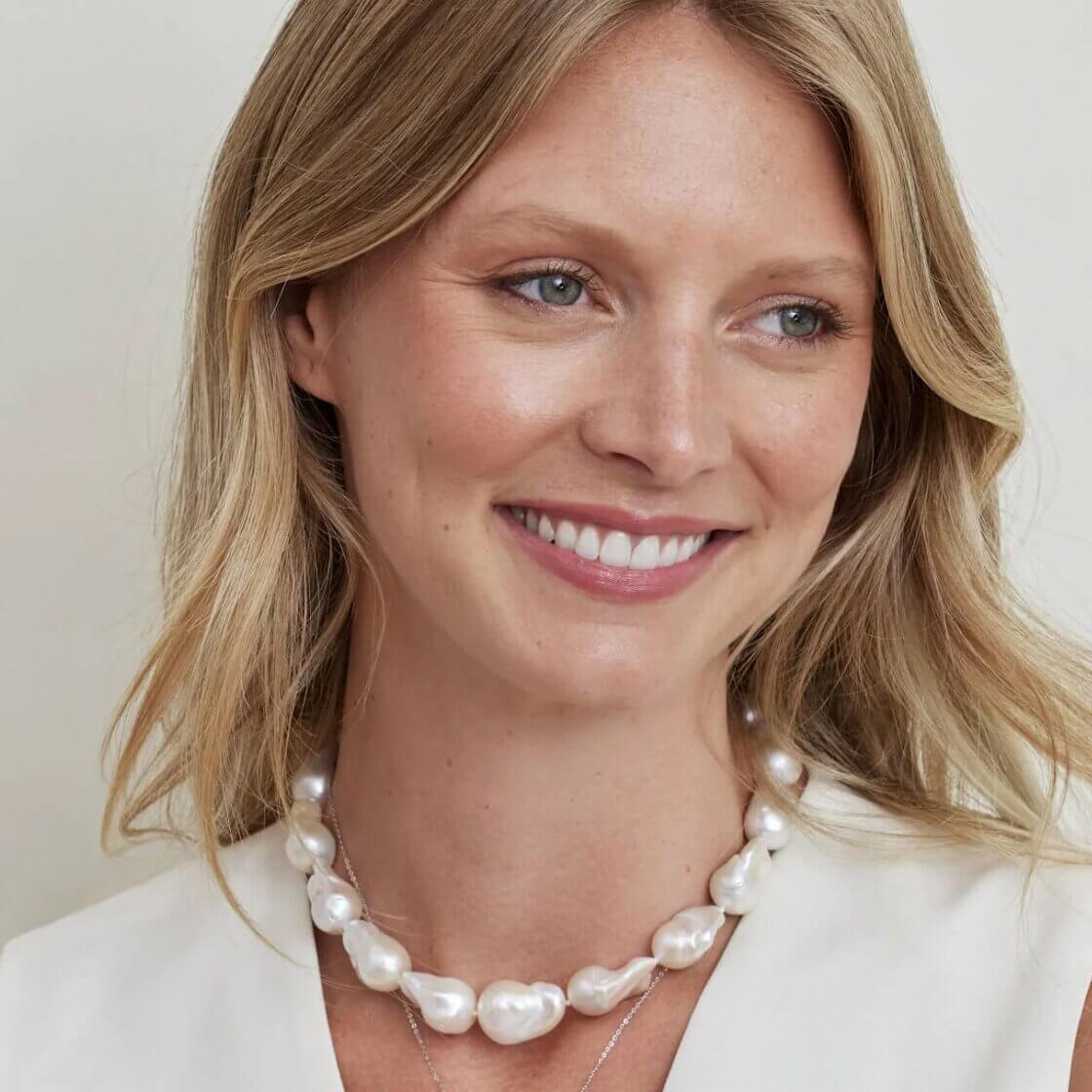
Few pearl trends illustrate this evolution better than the growing popularity of baroque pearls. For decades, perfectly round pearls were often viewed as the ideal, particularly in traditional jewelry categories.
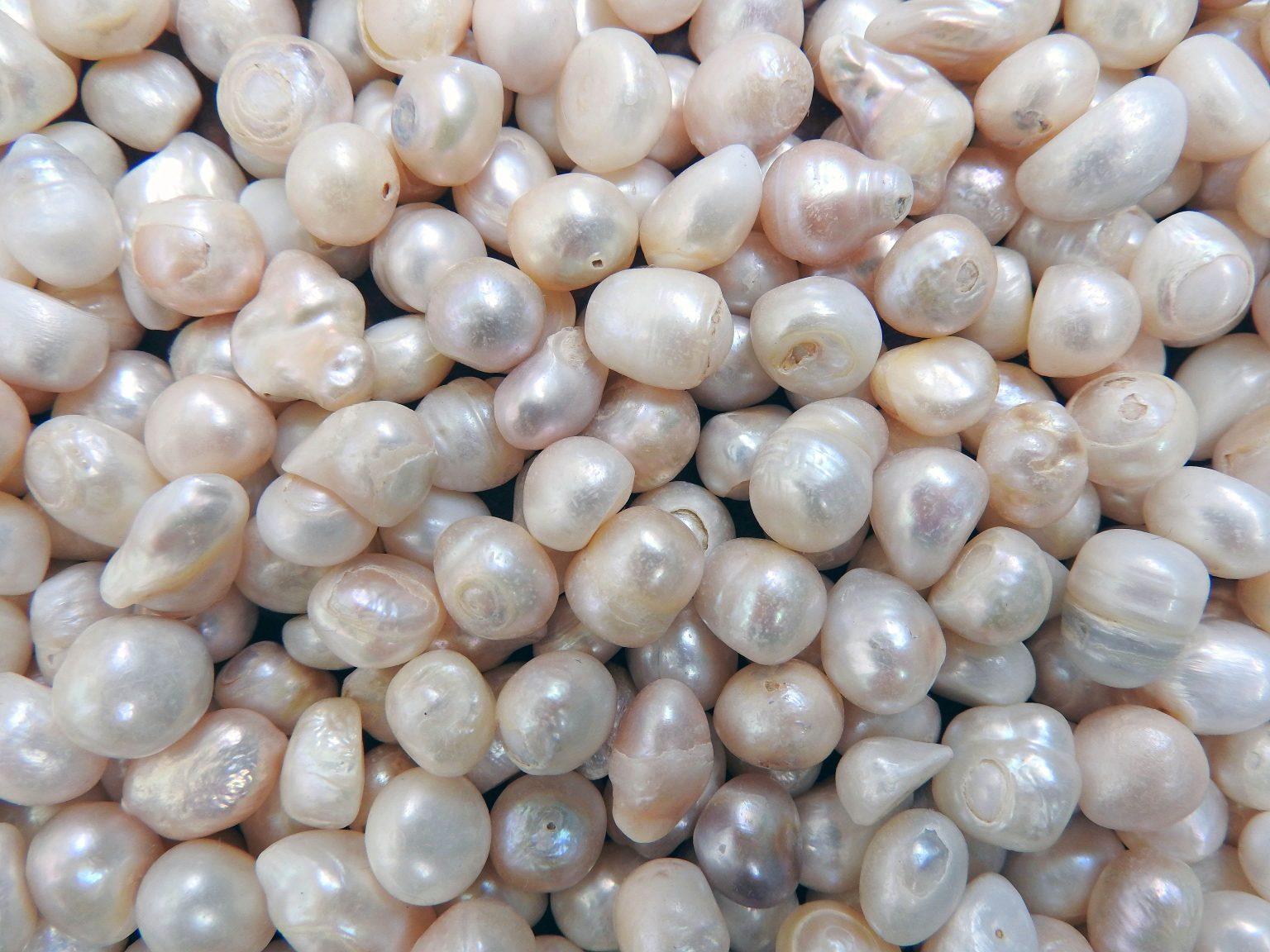
Today, many younger buyers are drawn to pearls with irregular shapes and organic character. The appeal often comes from individuality rather than perfection. Baroque pearls feel unique because no two are exactly alike, which aligns closely with broader preferences for self-expression and personal style.
They also tend to feel less formal. While a traditional strand of perfectly matched pearls creates a classic look, baroque pearls often feel contemporary, artistic, and relaxed. This has helped introduce pearls to consumers who may have previously viewed them as overly traditional.


Social media has played an important role in changing perceptions around pearl jewelry. Platforms like Instagram, TikTok, and Pinterest have exposed younger consumers to a much wider range of styling ideas than traditional jewelry advertising ever could.
Instead of seeing pearls only in bridal campaigns or formal jewelry collections, people now encounter them styled with denim, oversized blazers, knitwear, streetwear, and minimalist capsule wardrobes. This has broadened the perception of what pearl jewelry can look like and who it is for.
As a result, pearls no longer feel tied to a single generation or aesthetic. They can be incorporated into a wide range of personal styles, making them feel more relevant and accessible to modern consumers.
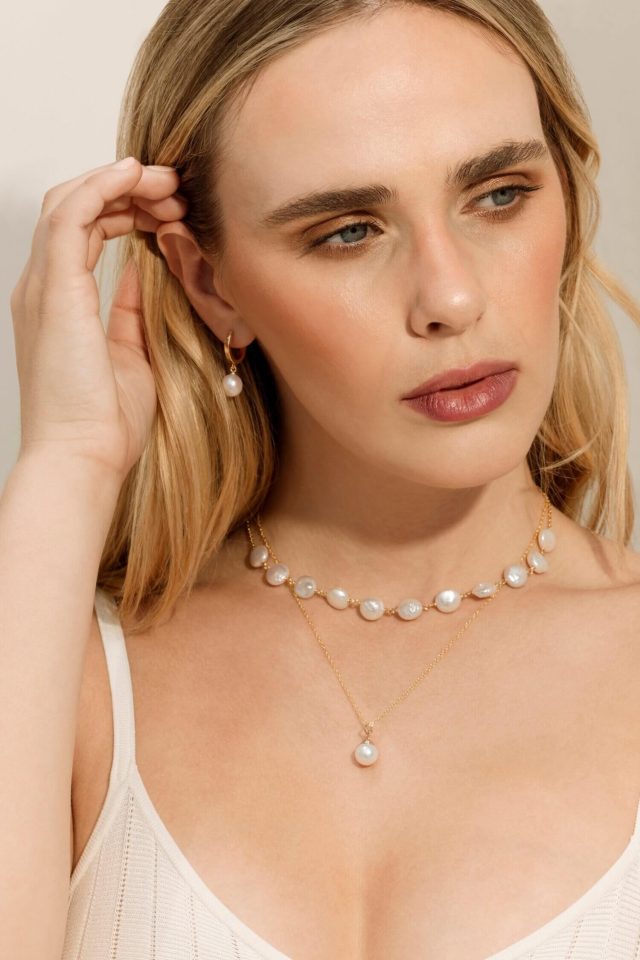
Explore how to style pearls for every occasion with our Shop the Look collection, a curated edit of timeless and trend-forward jewelry.
From layered pearl strands to sleek single pendants, each look is designed to help you reimagine pearls for everyday wear. Mix textures, play with lengths, and find inspiration for how to bring this classic gem into your modern rotation.
Celebrity influence has also contributed to the modern pearl revival. Over the past several years, public figures such as Harry Styles, Pharrell Williams, A$AP Rocky, Rihanna, and Zendaya have all helped present pearls in a more contemporary context.
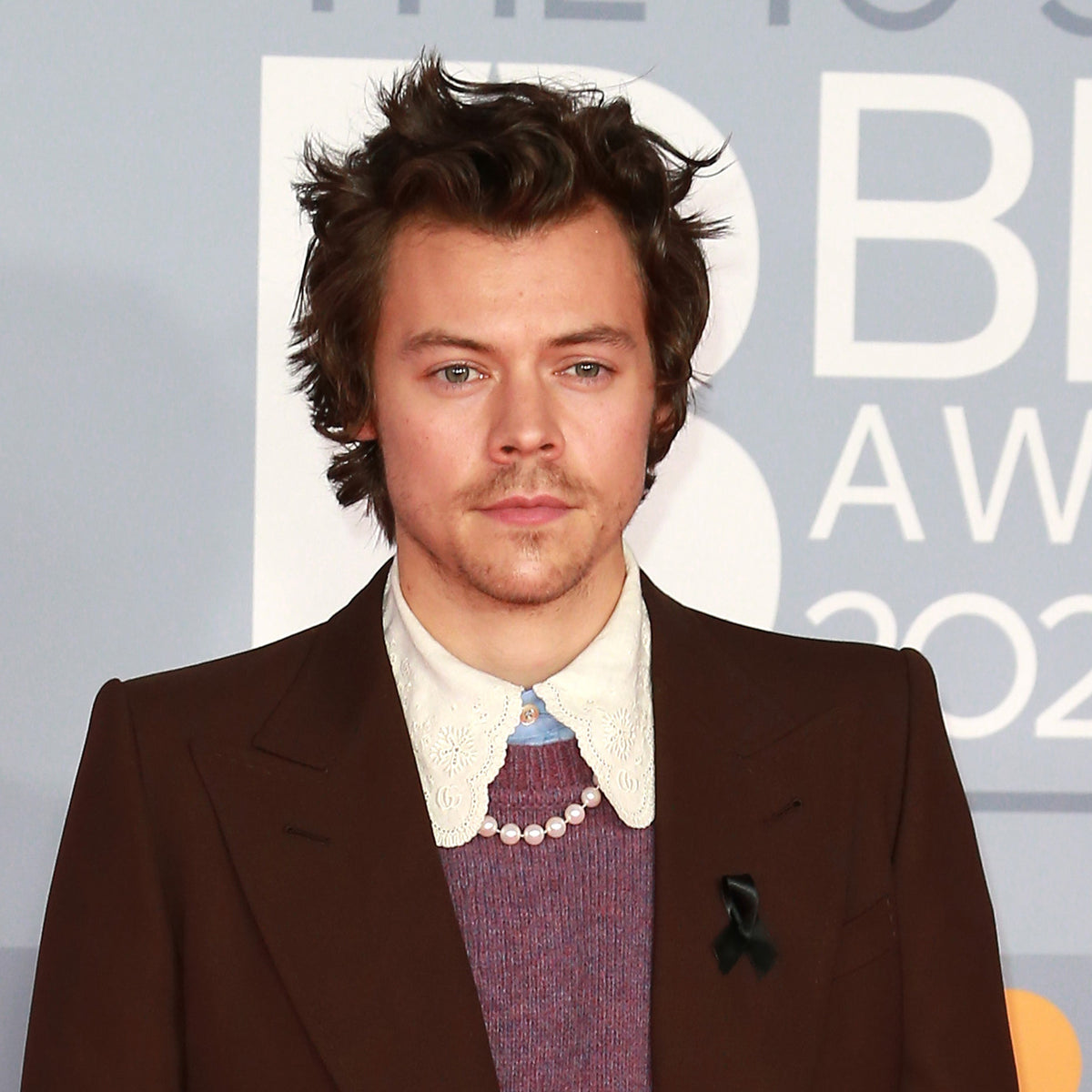
Rather than treating pearls as traditional accessories, they have incorporated them into modern fashion in ways that feel creative and unexpected. Trendy pearl necklaces now appear on red carpets, magazine covers, fashion campaigns, and social media feeds styled alongside contemporary clothing rather than exclusively formal attire.
While celebrity trends come and go, they have helped challenge long-standing assumptions about who wears pearls and how they can be styled. For many younger consumers, this visibility has made pearls feel more approachable and relevant.
Another significant shift is the growing acceptance of pearls in menswear and gender-neutral fashion. Historically, pearls were marketed primarily to women, but that distinction has become increasingly blurred.
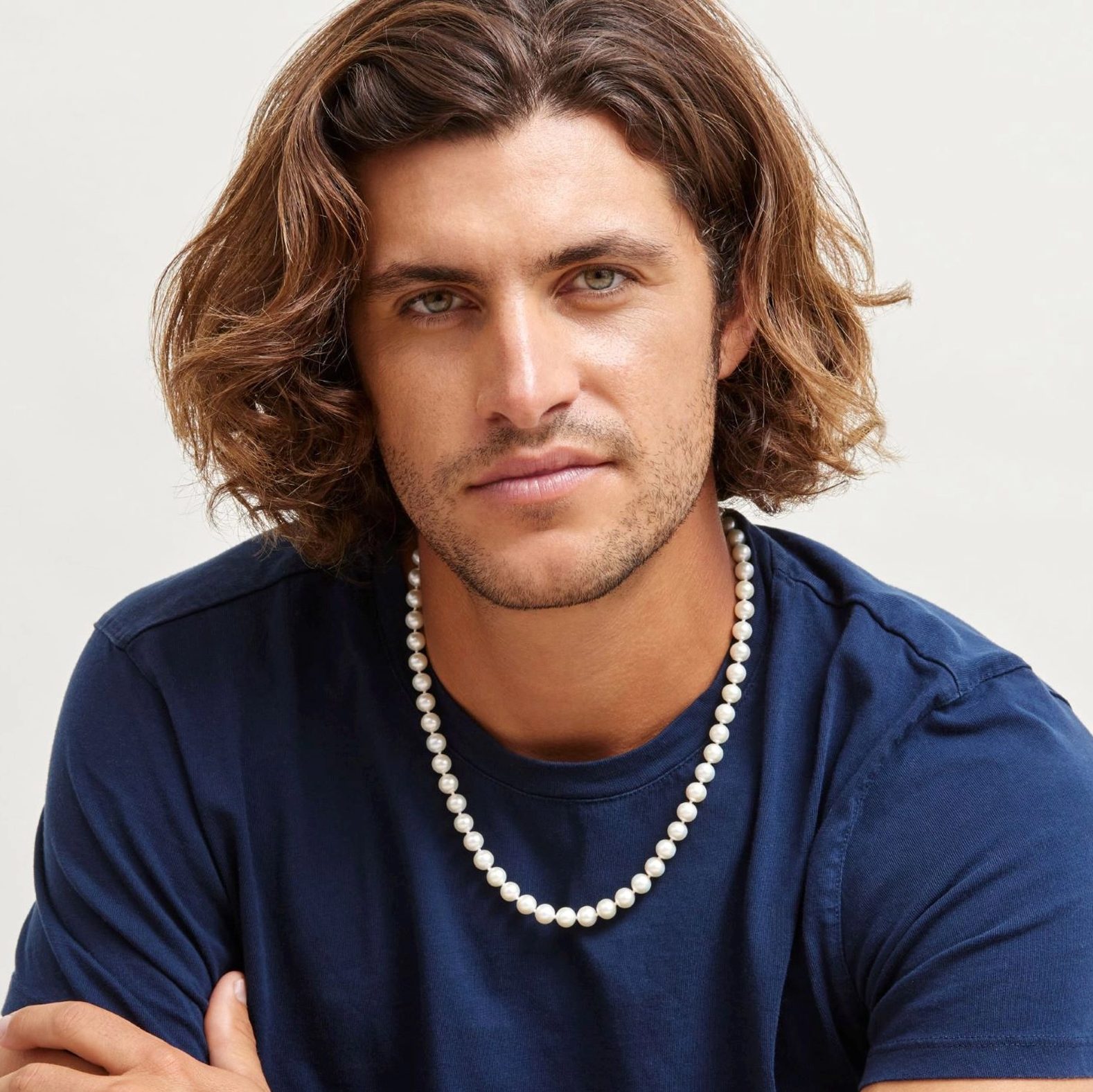
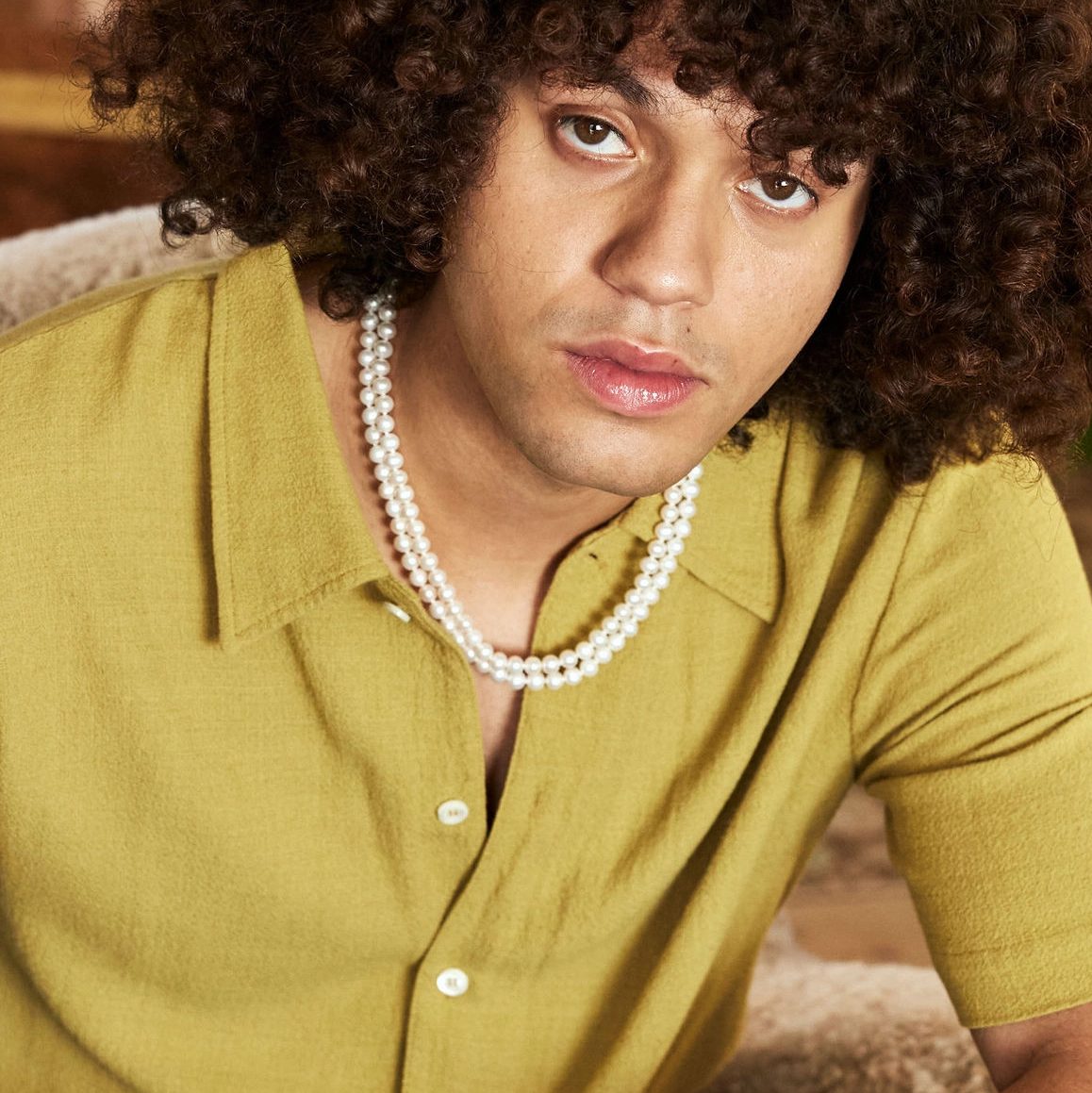
Today, pearl necklaces, bracelets, and earrings appear across a wide range of fashion categories. Designers, musicians, and style influencers have helped demonstrate that pearls can function as versatile accessories rather than gender-specific jewelry.
This broader acceptance has expanded the audience for pearls while reinforcing the idea that personal style matters more than traditional expectations. As fashion becomes more fluid, pearls have proven remarkably adaptable.
One of the most important reasons pearls resonate with younger generations may have nothing to do with trends at all. Many consumers are becoming more intentional about their purchases and are looking for jewelry that can be worn repeatedly rather than reserved for special occasions.
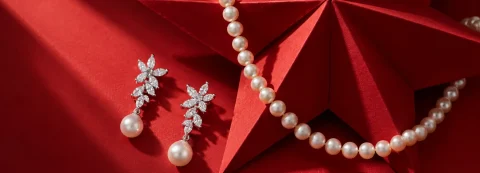
Pearls fit naturally into this mindset. A well-chosen pair of pearl earrings or a simple pearl necklace can work across professional settings, casual outfits, formal events, and everyday life. That versatility makes pearls appealing to buyers who value longevity over short-term trends.
Interestingly, this practical approach may be one reason pearls continue to gain popularity. While fashion trends change constantly, pearls offer a combination of flexibility and timelessness that many consumers find attractive.
Despite the shift in styling, some things remain remarkably consistent. While the way pearls are worn has evolved, the qualities people value most have changed surprisingly little.
Pearl quality still matters. Luster still matters. Well-made jewelry continues to outperform trend-driven purchases over time because craftsmanship and versatility tend to have lasting appeal.
Younger consumers may be wearing pearls differently, but they are often looking for the same qualities buyers have valued for generations: beauty, durability, versatility, and longevity. In many ways, the modern pearl revival is not about abandoning tradition. It’s about adapting it.
Yes. While pearls were once associated primarily with formal occasions and traditional jewelry, many younger consumers now wear them as part of everyday style. Modern designs, casual styling, and social media exposure have all contributed to their growing popularity.
Baroque pearls appeal to buyers who value individuality and organic design. Their irregular shapes make each pearl unique, and many people feel they offer a more contemporary and relaxed alternative to perfectly round pearls.
They can be, but they no longer have to be. Pearls are now commonly worn with casual clothing, workwear, and contemporary fashion, making them far more versatile than their traditional reputation suggests.
Yes. Pearls have become increasingly visible in menswear and gender-neutral fashion. Celebrities, musicians, designers, and influencers have helped demonstrate that pearls can be styled in a wide variety of ways regardless of gender.
Many younger consumers gravitate toward baroque pearls, pearl pendants, layered pearl necklaces, mixed-material jewelry, and designs that can transition easily between everyday and special-occasion wear.
Not significantly. While styling preferences have evolved, the core factors used to evaluate pearl quality, such as luster, surface quality, shape, and matching, remain just as important today as they were decades ago.
Pearls have experienced a resurgence in popularity, but they have also remained a staple of fine jewelry for centuries. Many experts view them as both timeless and adaptable, which helps explain their continued relevance across different generations.
Perhaps the most significant change is that pearls no longer belong to a single style category. They can feel minimalist or bold, traditional or contemporary, formal or casual depending on how they’re worn.
That flexibility is what makes pearls particularly relevant today. Rather than being confined to one type of buyer or one type of occasion, they have become remarkably adaptable.
The biggest change isn’t the pearl itself. It’s that a new generation has discovered that pearls can be worn on its own terms. And that may be why pearls continue to feel just as relevant today as they did decades ago.
Signup now and receive an email once I publish new content.

Content Writer and Editor at The Pearl Source
Katie Muirhead is the editor and primary writer for The Pearl Expert. With a background in fashion and experience creating content for global jewelry brands, she writes practical guides on pearl quality, buying decisions, care, gifting and modern styling. She also contributes pearl education and editorial content for The Pearl Source.
 Pearl Jewelry Price Guide: What You Can Actually Get for $100, $300, $500, and $1,000+
 Learn from the Best: Our GIA Pearl Specialist, Lauren