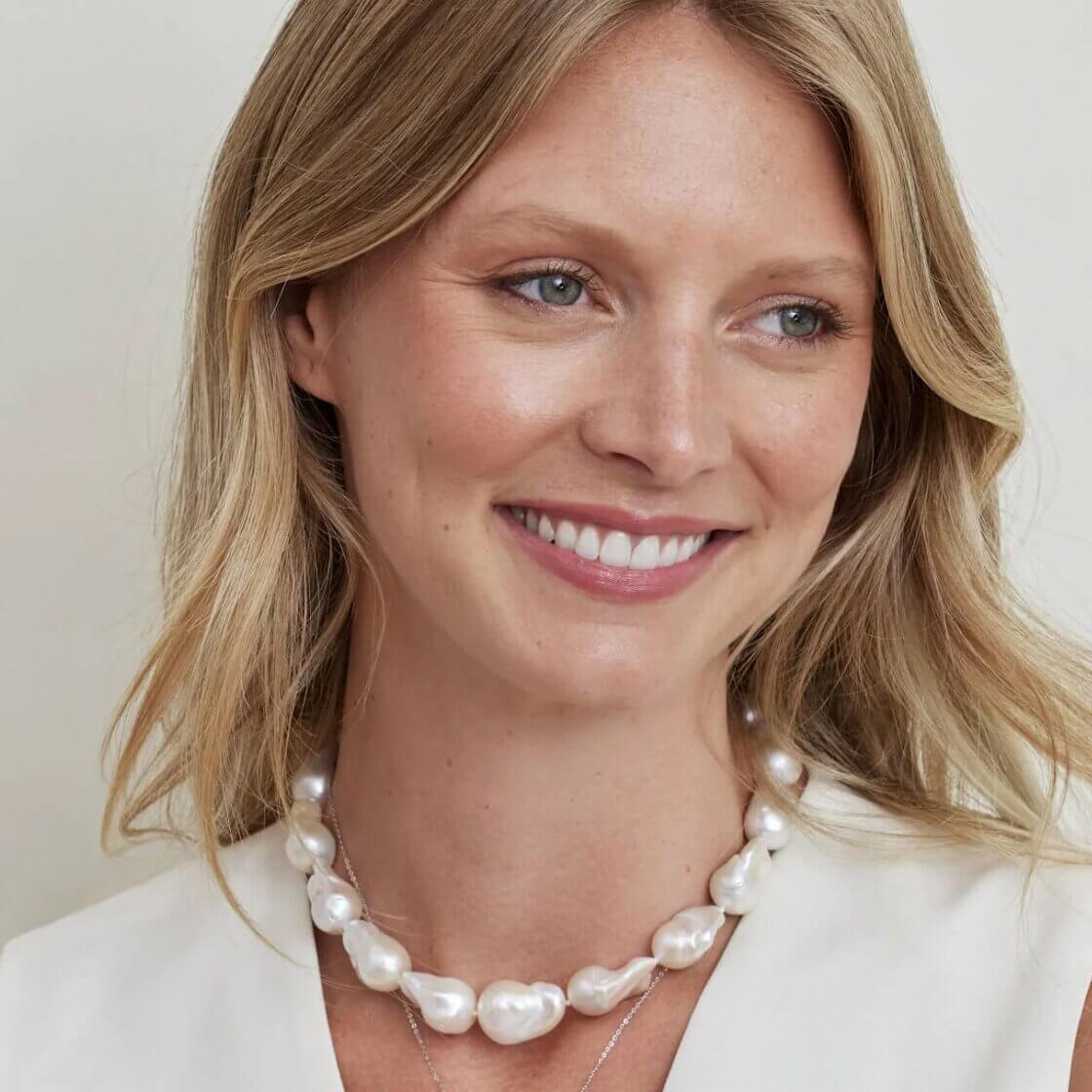
Are Pearls a Good Investment?
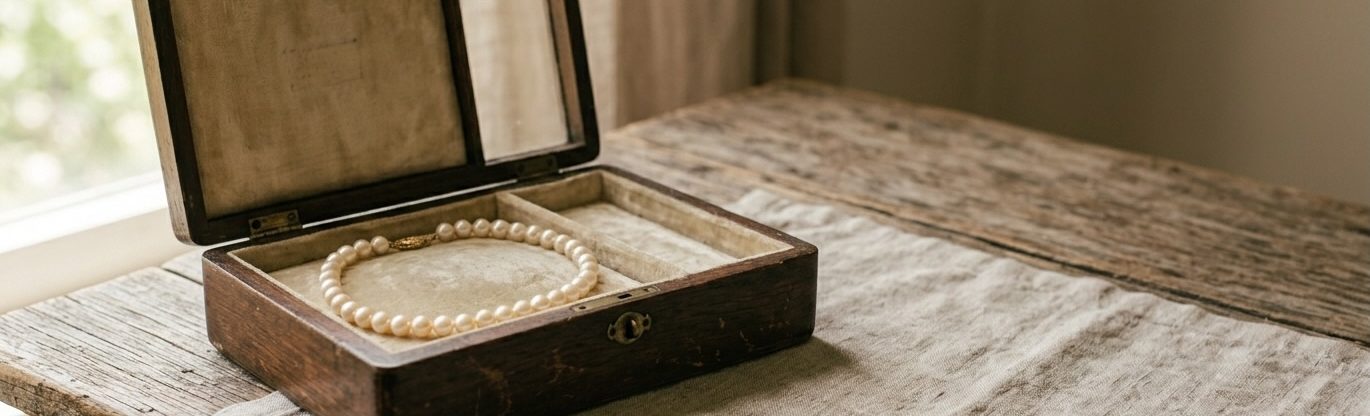
If you’re considering buying pearls and wondering whether they’ll increase in value over time, the answer depends on what you mean by “investment.”
In most cases, pearls should be viewed primarily as jewelry rather than a financial investment. However, exceptional pearls with strong quality characteristics, rarity, and lasting desirability may retain value better than lower-quality pieces.
Many buyers notice that high-quality pearl jewelry can cost hundreds, thousands, or even tens of thousands of dollars. It’s natural to wonder whether those pieces will appreciate in value like certain gemstones, watches, or collectible jewelry.
The reality is more nuanced. Pearl value is influenced by quality, rarity, craftsmanship, and market demand, and not every pearl purchase should be viewed through the same lens.
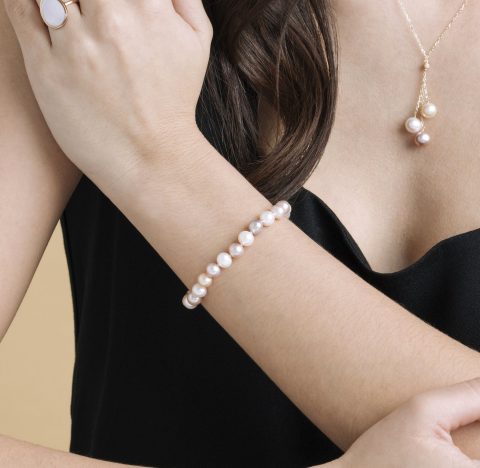
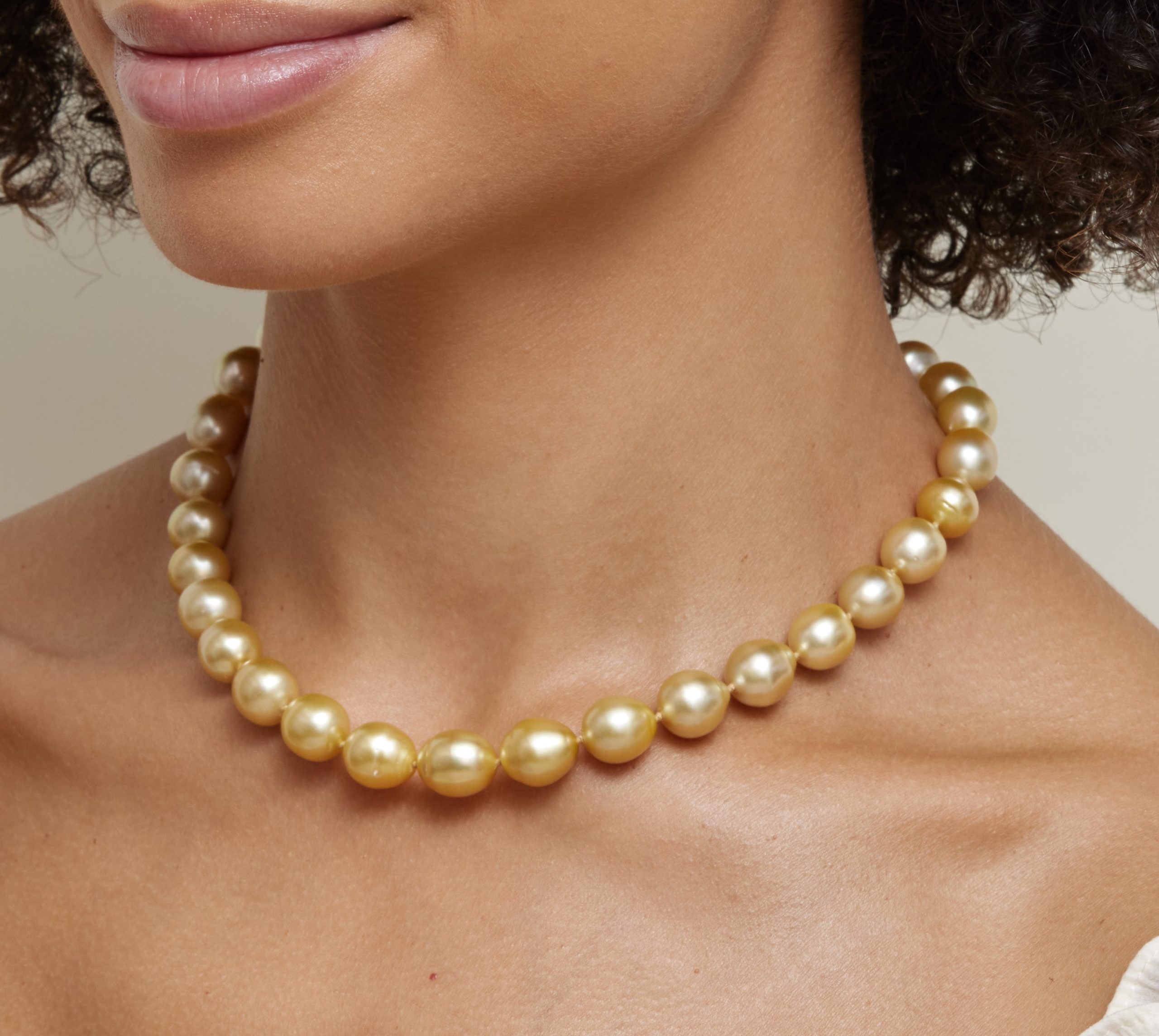
Not all pearls are valued equally.
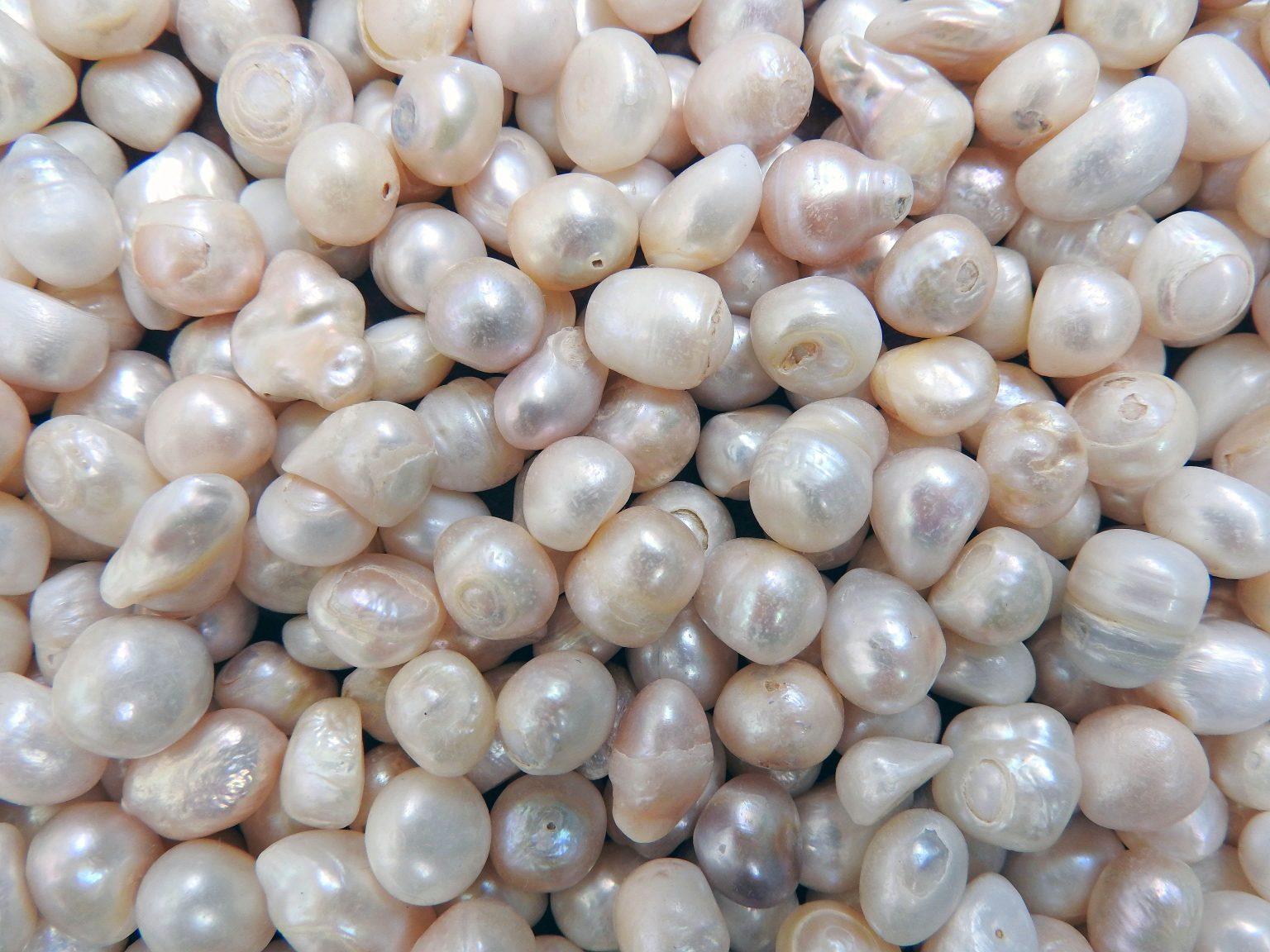
Factors such as luster, size, surface quality, matching, shape, and pearl type can significantly affect both price and desirability. In many cases, a smaller pearl with exceptional luster may be more valuable than a larger pearl with weaker visual performance.
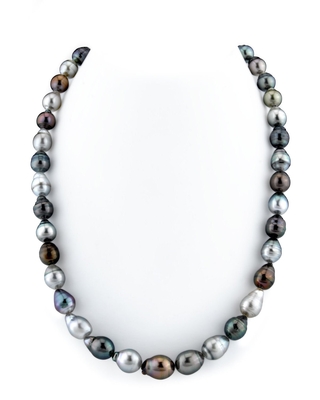
Rarity also plays a role. Large South Sea pearls, exceptional Akoya strands, and highly matched Tahitian pearls are generally more difficult to produce and command higher prices.
While pearls are not typically purchased as investment vehicles, certain characteristics tend to support long-term value:
These factors often contribute to continued desirability, even as trends change.
One common misconception is that expensive pearls automatically increase in value over time.
In reality, price and investment potential are not the same thing. A pearl’s value is influenced by market demand, quality, condition, and rarity.
Another mistake is focusing entirely on size. Experts generally place much greater emphasis on luster, surface quality, and overall appearance when evaluating pearl quality.
For a deeper understanding of how pearl value is determined, see:
Pearl Quality Factors: How Experts Evaluate Pearls — (The Pearl Source)
This guide explains how experts assess luster, nacre, shape, size, color, and matching when evaluating pearl quality.
You may also find helpful:
What Impacts Pearl Price? Ranked Factors Explained — (The Pearl Source)
This framework explores the factors that influence pearl pricing and why some pearls are significantly more valuable than others.
Most pearls should not be expected to appreciate significantly in value. Their long-term worth depends on quality, rarity, condition, and market demand.
South Sea pearls are generally among the most valuable pearl types due to their rarity, large size, and cultivation requirements.
Sometimes. Condition, quality, provenance, and rarity often determine value more than age alone.
Luster is typically considered the most important quality factor because it has the greatest impact on appearance.
In many cases, experts recommend prioritizing quality over size, especially when luster and surface quality differ significantly.
“When people ask whether pearls are a good investment, I encourage them to think first about quality. The pearls that remain desirable over time are usually the ones with exceptional luster, strong matching, and enduring craftsmanship.” — Lauren Greenberg, GIA-Certified Pearl Expert
For most buyers, pearls are best viewed as fine jewelry rather than a financial investment. Their lasting value comes from quality, rarity, craftsmanship, and the enjoyment they provide over time.
If you’re looking for pearls with the strongest long-term appeal, focusing on quality factors such as luster, matching, and pearl type is usually the best place to start.
Written by:
Katie Muirhead
Content & Editorial
The Pearl Source
Reviewed by:
Lauren Greenberg
GIA-Certified Pearl Expert
The Pearl Source
Signup now and receive an email once I publish new content.

Content Writer and Editor at The Pearl Source
Katie Muirhead is the editor and primary writer for The Pearl Expert. With a background in fashion and experience creating content for global jewelry brands, she writes practical guides on pearl quality, buying decisions, care, gifting and modern styling. She also contributes pearl education and editorial content for The Pearl Source.
 Can I Wear Pearls Every Day?
 Why Do Pearl Prices Vary So Much?