
Can Pearls Crack or Chip if Dropped?
If you’ve ever worried about dropping a pearl necklace or earring, you’re not alone. Many people assume pearls are extremely fragile and wonder whether a single accident could permanently damage them. But is it true—can pearls crack if dropped or hit?
The short answer is yes, pearls can crack, chip, or become damaged if dropped onto a hard surface. However, this is less common than many people think, and most pearl jewelry holds up well during normal wear when treated with reasonable care.
Unlike diamonds or other hard gemstones, pearls are organic gems formed inside a mollusk. Because they are softer than many gemstones, buyers often worry that pearls may be easily damaged by everyday accidents.
This concern is especially common among first-time pearl owners who want to enjoy their jewelry without constantly worrying about breaking it.
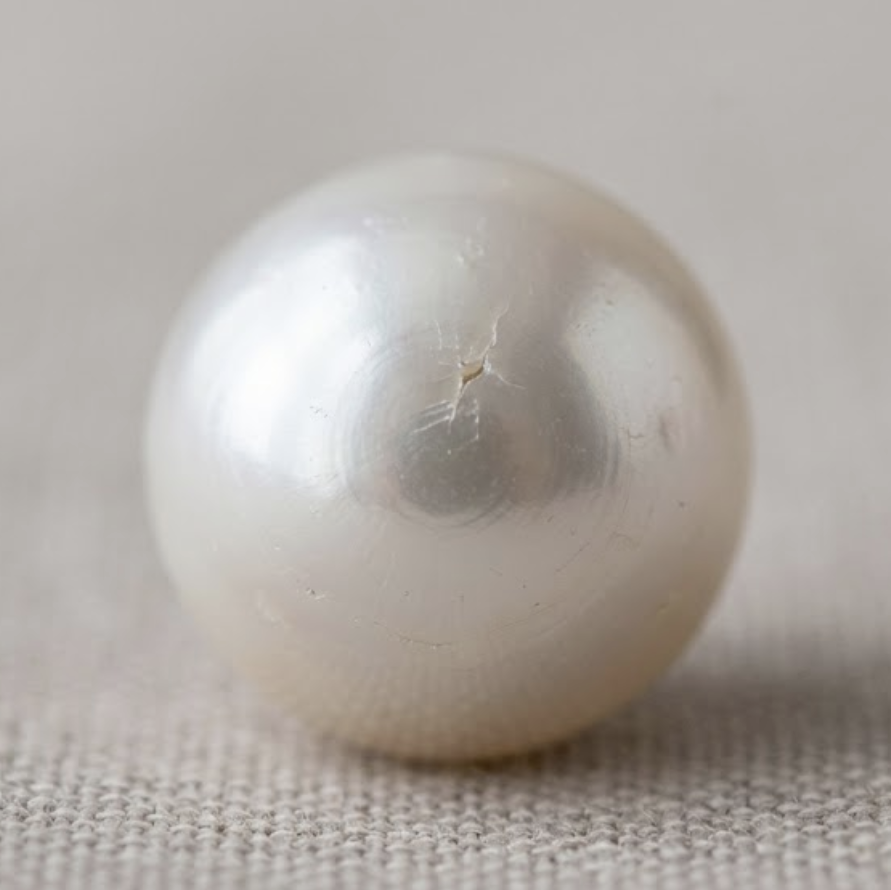
Yes, it is possible.
Pearls are softer than gemstones such as diamonds, sapphires, and rubies. A sufficiently hard impact against tile, concrete, stone, or another hard surface can potentially cause damage to the pearl’s surface or structure.
The likelihood depends on factors such as the height of the fall, the surface involved, the size of the pearl, and the nature of the impact. A pearl that falls onto carpet is far less likely to be damaged than one that strikes a stone floor.
When pearls experience significant impact, damage may appear in several ways.
Potential signs include:
In many cases, damage is immediately visible. However, if you’re concerned after a drop, it can be helpful to examine the pearl under good lighting.
Many buyers overestimate how fragile pearls are. While pearls are not indestructible, they are designed to be worn and enjoyed.
Most pearl damage occurs through repeated abrasion, improper storage, harsh chemicals, or years of neglect rather than a single accidental drop. A pearl that slips from your hand once is not automatically ruined.
For most owners, sensible care habits are far more important than worrying about occasional accidents.
Different jewelry types experience different levels of exposure to impact.
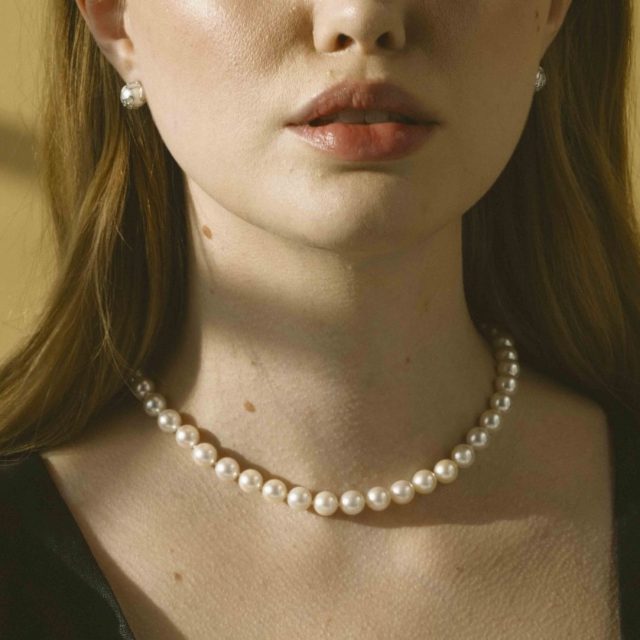
Pearl rings and bracelets often encounter more contact with hard surfaces because of their location on the hands and wrists. Earrings and pendants generally experience less direct impact and are often considered among the most practical pearl jewelry styles for regular wear.
This is one reason many first-time buyers begin with pearl earrings or necklaces.
A common misconception is that pearls are too delicate for normal use. In reality, pearls have been worn daily for generations and can remain beautiful for decades when cared for properly.
Another mistake is assuming that one accident means permanent damage. While impacts can sometimes cause problems, many dropped pearls show no visible signs of damage at all.
The goal is not to treat pearls as fragile objects, but to understand their limitations and care for them accordingly.
The best way to protect pearl jewelry is through simple habits rather than special precautions.
These small steps can significantly reduce the risk of accidental damage over time.
For a complete guide to pearl durability and everyday wear, see:
Pearls for Daily Wear: Durability & Practical Use Guide — The Pearl Source
This framework explains how different pearl types perform during regular wear and what factors influence long-term durability.
You may also find helpful:
Pearl Care & Maintenance Guide — The Pearl Source
This guide covers proper storage, cleaning, and care practices that help protect pearls from damage.
No. Pearls are softer than many gemstones, but they do not typically break during normal wear.
Yes, a hard impact against a hard surface can potentially cause cracking or chipping.
Pearl earrings often experience less direct impact because they are less exposed to daily contact and accidental knocks.
That depends on the extent of the damage. Minor imperfections may be cosmetic, while significant damage could warrant repair or replacement.
Yes. Most pearl jewelry is designed to be worn and enjoyed regularly when cared for properly.
“Pearls are softer than many gemstones, but they’re often more resilient than people expect. Most owners never experience serious damage, especially when they follow a few basic care practices.”
— Lauren Greenberg, GIA-Certified Pearl Expert
Pearls can crack or chip if dropped onto a hard surface, but this does not mean they are overly fragile. Most pearl jewelry withstands normal wear very well, and occasional accidents do not automatically result in damage.
Understanding how pearls respond to impact and following a few simple care habits can help you wear them with confidence rather than caution.
Written by:
Katie Muirhead
Content & Editorial
The Pearl Source
Reviewed by:
Lauren Greenberg
GIA-Certified Pearl Expert
The Pearl Source
Signup now and receive an email once I publish new content.

Content Writer and Editor at The Pearl Source
Katie Muirhead is the editor and primary writer for The Pearl Expert. With a background in fashion and experience creating content for global jewelry brands, she writes practical guides on pearl quality, buying decisions, care, gifting and modern styling. She also contributes pearl education and editorial content for The Pearl Source.
 What Pearls Are Best for a Graduation Gift?
 Are Pearls Hard to Own for Beginners?