
How to Clean Pearls: Essential Care for Pearl Jewelry

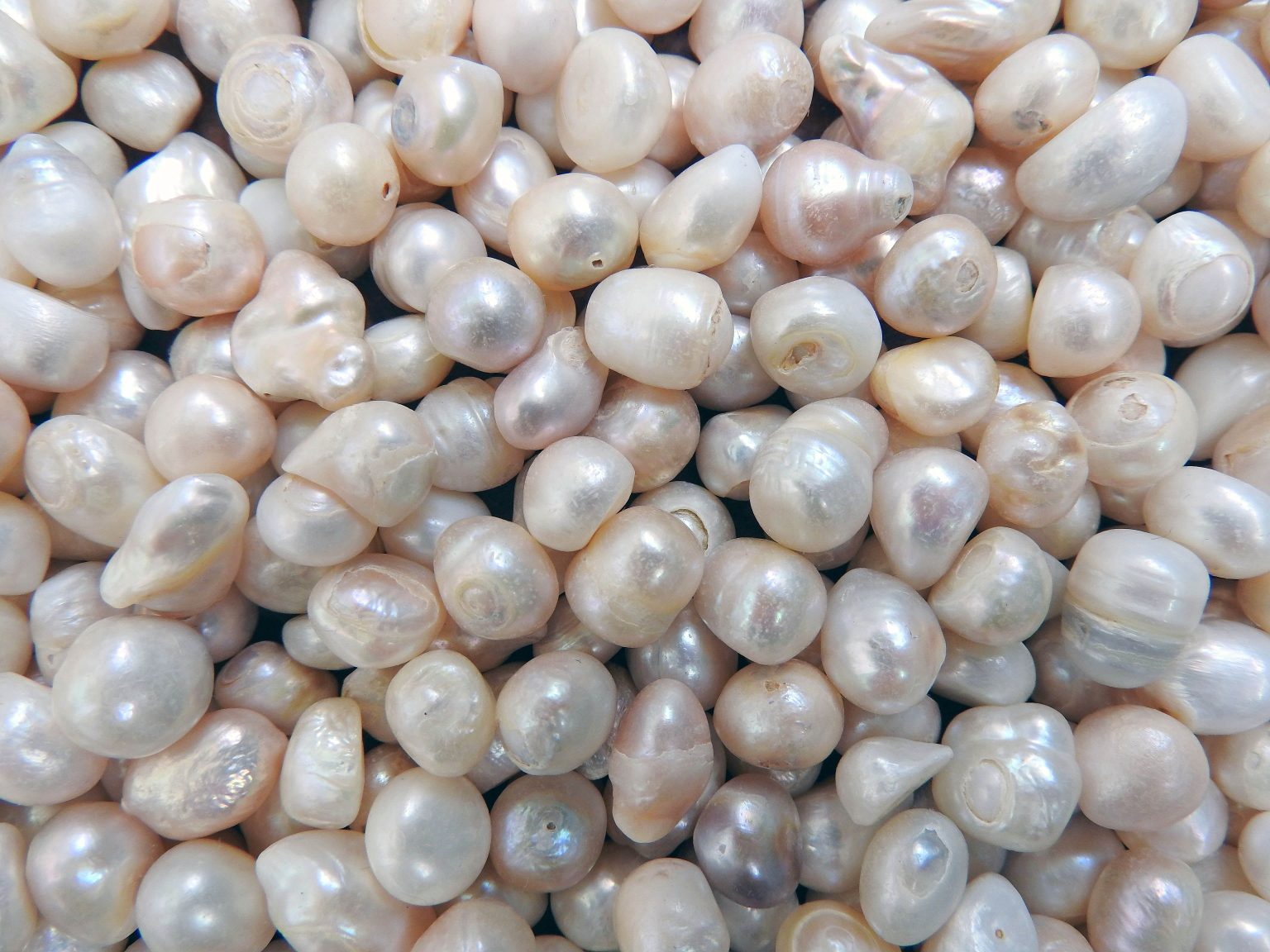
Pearls form inside living mollusks, built up in layers of nacre. That nacre gives them their glow, but it is soft: GIA ranks pearl at 2.5 on the Mohs hardness scale, low enough to scratch against other jewelry. It also reacts to acids and chemicals, including perfume, hairspray, cosmetics and sweat.
The good news is that pearl care is mostly habit rather than effort. A soft cloth after every wear does most of the work, and an occasional gentle clean handles the rest.
Use this routine whenever your pearls look dull or have been worn with makeup, sunscreen or perfume. For everyday care, step 1 on its own is enough.
| Step | Action |
|---|---|
| 1. Wipe | Wipe the pearls with a soft, dry, lint-free cloth to lift oils and residue. |
| 2. Mix | Mix a few drops of mild, fragrance-free soap into a small bowl of lukewarm water. |
| 3. Dampen | Dip a second cloth in the water and wring it out until it is barely damp. |
| 4. Clean | Wipe each pearl gently, then go over them again with a cloth dampened in plain water to remove any soap. |
| 5. Dry | Lay the piece flat on a clean towel and let it air-dry completely before you wear or store it. A strand can take several hours. |
To see the routine in action, this short video from The Pearl Source walks through each step:
Everything for pearl cleaning is probably already in your home. Keep the kit simple:
Because pearls are soft and sensitive to acids, most jewelry-cleaning shortcuts are off the table. Keep these away from your pearls:
If your pearls are dyed or coated, be especially gentle. GIA notes that these treatments can alter over time.
Each kind of pearl jewelry has its own weak point. On strands it is the silk thread; on earrings and rings it is the adhesive in the setting.
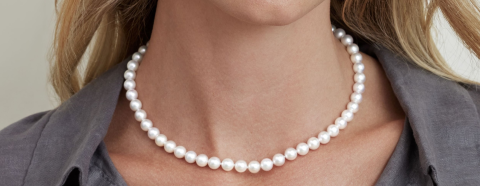
Most fine pearl strands are knotted on silk, which stretches and weakens when it gets wet. Wipe each pearl individually rather than soaking the strand or holding it under the tap. Dry it flat, never hanging, and make sure the silk is completely dry before you wear it again.
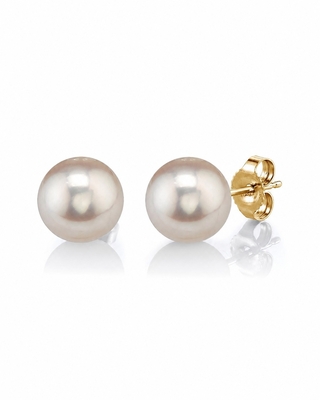
Most pearl studs, drop earrings, rings and many pendants use a glued setting: the pearl is drilled partway through and fixed onto a small metal post or cup with adhesive. If you can’t see a wire running through the pearl or prongs holding it, the setting is almost certainly glued.
The adhesive is the weak point. Soaking, hot water, solvents such as alcohol and nail polish remover, and ultrasonic or steam cleaners can all loosen it, so these pieces need the gentlest care of all:
Check glued pieces now and then by looking for gaps or movement during normal handling. If it moves, wobbles or shows a gap at the base, stop wearing it before the pearl comes off. Resetting a loose pearl is usually a quick job for a jeweler.
Diamond and gemstone cleaners are too harsh for pearls, so mixed pieces need a compromise. Wipe the pearls on their own with a barely damp cloth and polish the metal and stones dry. For a deeper clean, a jeweler can treat each material properly.
Most buildup comes from beauty products and sweat, so a few habits save a lot of cleaning. Follow these and your pearls will need a full clean far less often:
Home cleaning keeps pearls looking their best, but some problems need a professional. Take your pearls to a jeweler if:
Strands worn often usually need restringing every one to two years, while those worn occasionally can go much longer. A jeweler can clean and check the piece at the same visit.

When you picture the perfect strand of pearls, chances are you’re thinking of Akoya pearls. Loved for their mirror-like luster and classic round shape, these saltwater gems have defined timeless elegance for over a century.
Each Akoya pearl necklace from The Pearl Source is hand-strung on fine silk and knotted between every pearl, so a broken strand won’t scatter and the pearls don’t rub against each other. Finished with a gold clasp of your choice, it is a strand worth the gentle care above.
Wipe them with a soft cloth after every wear. Give them a gentle clean with mild, soapy water when they look dull or after wearing them with makeup or sunscreen. Strands worn often should also be checked and restrung every one to two years.
No. Most jewelry cleaners are made for metal and diamonds and often contain ammonia or alcohol, which can damage nacre. Ultrasonic and steam cleaners are unsafe for pearls too, so stick to mild soap, lukewarm water and a soft cloth.
A wipe with a damp cloth is fine, and GIA considers warm, soapy water safe for occasional cleaning. Soaking is the problem, because it weakens silk thread and the adhesive in earrings and rings. Dry pearls fully before wearing or storing them.
Check the thread and the settings. Stretched or frayed silk, gaps between pearls, a loose pearl in an earring or ring, and cracks or peeling on the surface are all signs it is time for a jeweler.
Pearls ask for gentleness rather than effort. A soft cloth after every wear, an occasional mild clean and careful storage will protect their luster for decades. Anything beyond that, from a loose pearl to a stretched strand, is a quick job for a jeweler.
Signup now and receive an email once I publish new content.

Content Writer and Editor at The Pearl Source
Katie Muirhead is the editor and primary writer for The Pearl Expert. With a background in fashion and experience creating content for global jewelry brands, she writes practical guides on pearl quality, buying decisions, care, gifting and modern styling. She also contributes pearl education and editorial content for The Pearl Source.
 Tahitian Pearl Earrings: How to Choose the Right Color, Size and Style