Real and Fake Pearls: Should You Always Pay More?
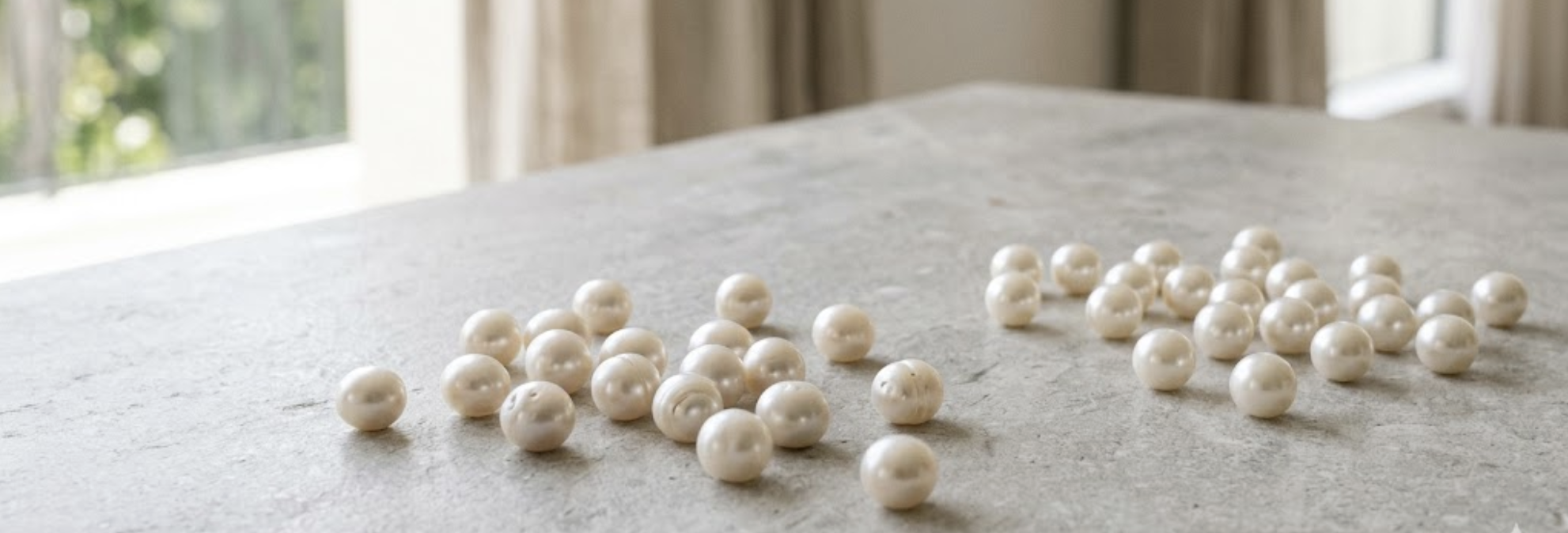
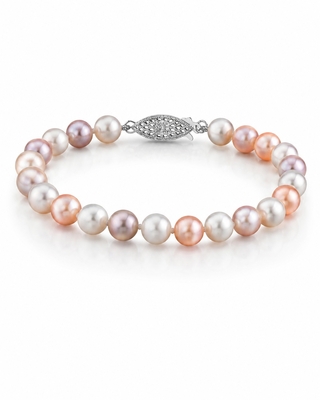
If you’re comparing pearl jewelry and notice a huge difference in price, it’s natural to wonder whether paying more is always worth it. The differences between real and fake pearls can often be subtle, especially since some imitation pearls can look surprisingly convincing in photos.
In most cases, genuine pearls cost more because they are naturally formed or cultivated over time, while fake pearls are manufactured. However, paying more only makes sense if you’re also getting better quality, craftsmanship, and materials.
Many buyers discover that pearl jewelry can range from under $50 to several thousand dollars. Without understanding the differences between real and imitation pearls, it can be difficult to know whether the higher price reflects genuine value or simply branding and marketing.
The confusion is understandable because some imitation pearls are designed to closely resemble real pearls, particularly in online images where details are harder to evaluate.
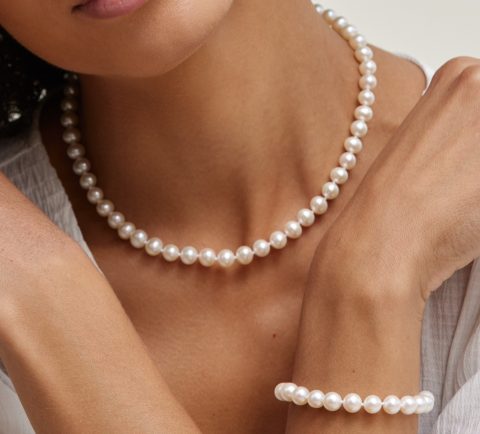
Real pearls take time to form inside a mollusk, whether naturally or through pearl cultivation. Factors such as luster, surface quality, shape, size, and matching all influence the final value of the pearl.
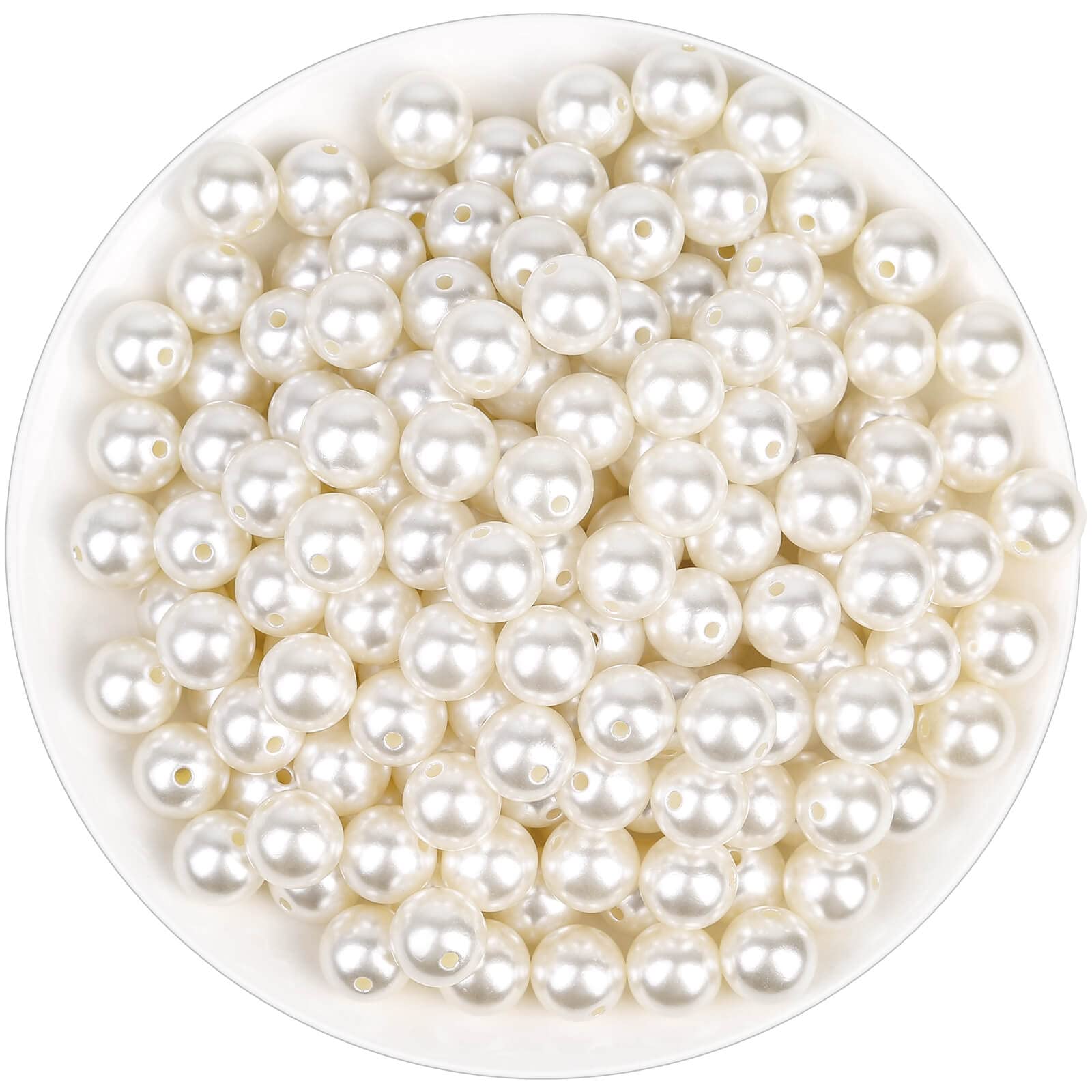
Imitation pearls, on the other hand, are manufactured using materials such as glass, plastic, or coated beads. Because they do not undergo the same formation process, they can be produced more quickly and at a lower cost.
The price difference often reflects rarity, production time, and quality rather than appearance alone.
Paying more generally makes sense when you’re purchasing genuine pearls with strong quality characteristics.
For example, a pearl necklace with exceptional luster, clean surfaces, and excellent matching will usually provide more lasting value than a lower-quality piece, even if both contain real pearls.
Similarly, well-made pearl jewelry with quality materials and craftsmanship is often designed to be worn and enjoyed for many years.
A higher price does not automatically guarantee higher quality.
Two pearl necklaces may contain genuine pearls, yet differ significantly in value because of variations in luster, surface quality, matching, or pearl type. This is why understanding quality factors is often more useful than focusing solely on the price tag.
The goal is not simply to buy the most expensive pearls, but to understand what you’re paying for.
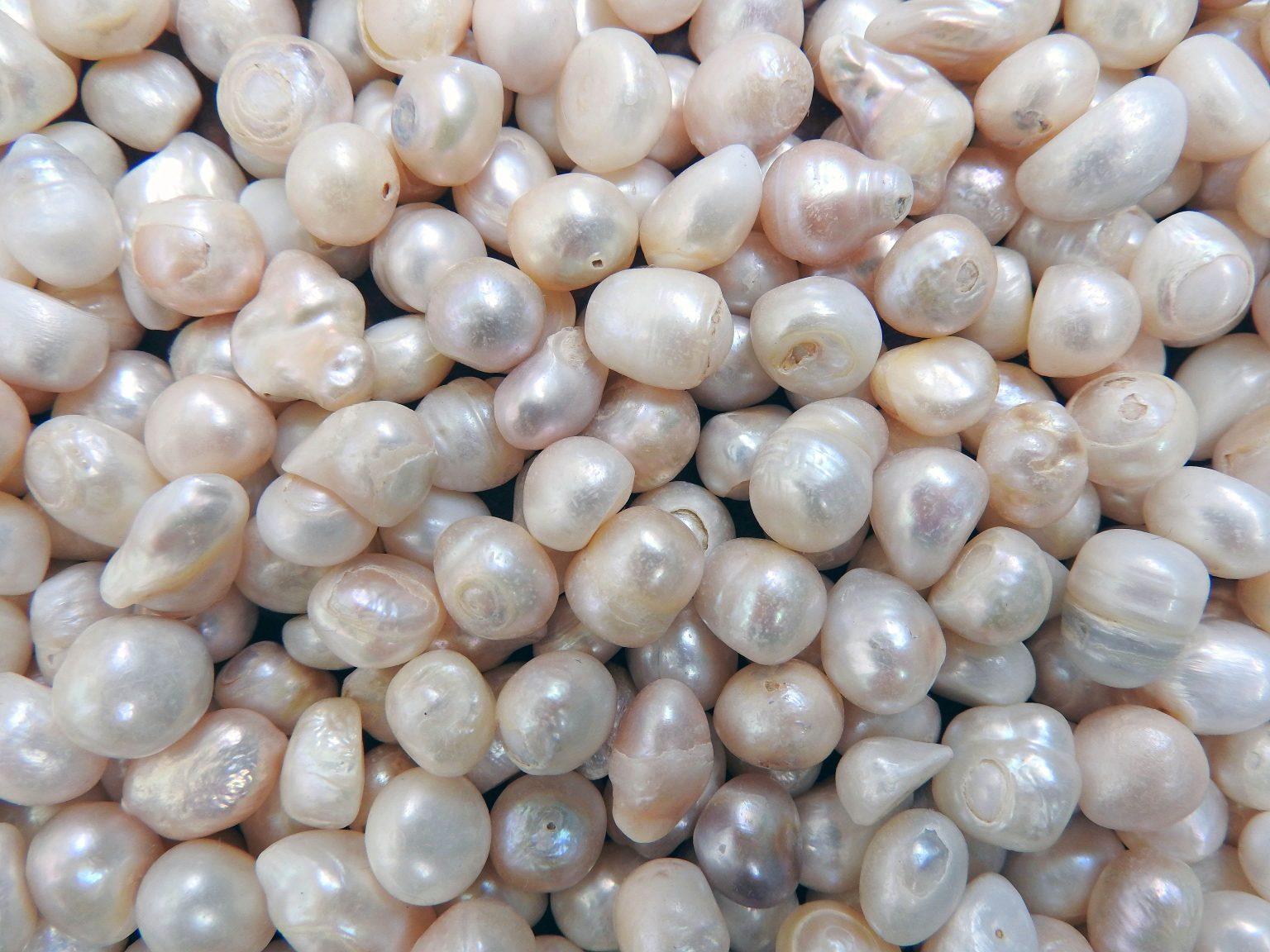
One common misconception is that fake pearls and real pearls are identical except for price. In reality, genuine pearls possess unique characteristics such as natural luster, depth, and subtle surface variations that imitation pearls often struggle to replicate.
Another mistake is assuming that all expensive pearls are automatically high quality. Experts evaluate factors such as luster, nacre, matching, and surface condition before determining value.
For a complete guide to identifying genuine pearls, see:
Real vs Fake Pearls: Identification & Buying Guide (The Pearl Source)
This guide explains the differences between genuine and imitation pearls and how experts evaluate authenticity.
You may also find helpful:
What Impacts Pearl Price? Ranked Factors Explained (The Pearl Source)
This framework explains why some pearls cost significantly more than others and which quality factors have the greatest impact on value.
Yes. Genuine pearls are typically worth more because they require a natural or cultivated formation process and possess characteristics that imitation pearls cannot fully replicate.
Some imitation pearls can look convincing from a distance or in photographs, but they often lack the depth, luster, and texture of genuine pearls.
Not necessarily. While price often reflects quality, factors such as branding, rarity, and craftsmanship can also influence cost.
Experts often examine luster, surface texture, weight, and other characteristics when evaluating authenticity.
That depends on your goals. If you’re looking for a temporary fashion accessory, imitation pearls may be suitable. If you’re looking for lasting value and longevity, genuine pearls are usually the better investment.
“The most important question isn’t whether pearls are expensive or inexpensive. It’s whether the price accurately reflects the quality of the pearls you’re buying.” — Lauren Greenberg, GIA-Certified Pearl Expert
Real pearls generally cost more because they are rarer, more complex to produce, and evaluated according to a range of quality factors. However, a higher price only makes sense when it’s supported by genuine quality.
Understanding the difference between real and fake pearls, and what actually drives pearl value, can help you make a more confident buying decision.
Written by:
Katie Muirhead
Content & Editorial
The Pearl Source
Reviewed by:
Lauren Greenberg
GIA-Certified Pearl Expert
The Pearl Source
Signup now and receive an email once I publish new content.

Content Writer and Editor at The Pearl Source
Katie Muirhead is the editor and primary writer for The Pearl Expert. With a background in fashion and experience creating content for global jewelry brands, she writes practical guides on pearl quality, buying decisions, care, gifting and modern styling. She also contributes pearl education and editorial content for The Pearl Source.
 What Pearl Sizes Look Understated Rather Than Bold?
 Can I Wear Pearls Every Day?